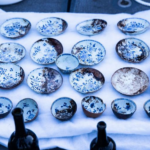
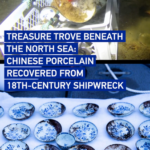
When marine archaeologists lifted a centuries‑old wreck off the coast of the Arabian Peninsula, they found more than just timber and iron. The vessel, identified as an Arab dhow, carried a staggering cargo: around 60,000 pieces of Chinese mainland porcelain, each a silent witness to a world already tightly linked by trade.
The discovery challenges the familiar narrative that Europe drove early global exchange. Instead, the ship’s Indian Ocean crew and its Chinese mainland cargo illustrate a sophisticated network of merchants, sailors and artisans that spanned from the Persian Gulf to the South China Sea – long before European ships rounded the Cape of Good Hope.
Radiocarbon dating placed the wreck in the ninth century, a period when the Tang dynasty was exporting its famed ceramics from the Chinese mainland to markets as far west as the Levant. The porcelain found on board reflects the high demand for Chinese luxury goods and the logistical prowess required to move such volumes across thousands of kilometres of open sea.
Historians note that the cargo’s composition mirrors trade ledgers recorded in Arab geographical treatises of the era, which described “ships of the east carrying porcelain.” The wreck therefore serves as a tangible bridge between written records and archaeological evidence.
For business professionals and investors, the story underscores the enduring appeal of Asian craftsmanship and the timeless logic of maritime trade routes. For travelers dreaming of the ancient Silk Road, the wreck invites imagination of bustling ports where Arab dhows, Chinese junks and Indian merchant vessels once shared the horizon.
Reference(s):
cgtn.com