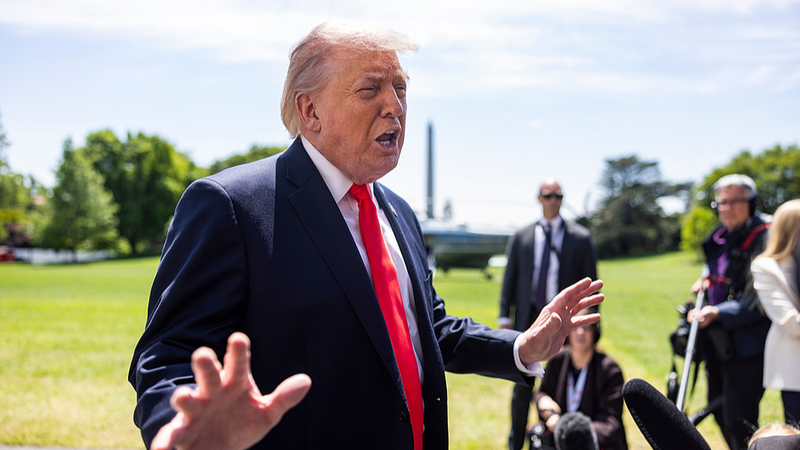
In a significant development in Middle East diplomacy, U.S. President Donald Trump has expressed skepticism regarding a new peace proposal submitted by Iran. On May 2, 2026, President Trump stated he would review the plan but warned that resuming military strikes against Iran remains "a possibility." This exchange underscores the fragile and high-stakes nature of current negotiations.
"I will soon be reviewing the plan that Iran has just sent to us, but I can't imagine that it would be acceptable," Trump told reporters. The proposal, a 14-point counter to a nine-point U.S. plan, was delivered through diplomatic channels in Pakistan. At its core, Iran insists talks must focus on "ending the war" rather than agreeing to a temporary ceasefire.
Iranian Deputy Foreign Minister Kazem Gharibabadi emphasized Tehran's preference for diplomacy based on mutual interests, while asserting the country's readiness to defend itself against any aggression. Key Iranian demands include the withdrawal of U.S. forces from areas near its borders, guarantees of non-aggression, the lifting of a naval blockade, the release of frozen assets, and the easing of sanctions.
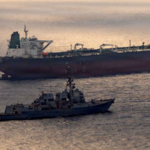
The proposal also seeks to address regional stability, calling for an end to hostilities in Lebanon and the creation of a new governing mechanism for the Strait of Hormuz. Control of this vital oil shipping route has been a flashpoint since joint U.S.-Israel actions in late February led Iran to tighten its control over the waterway.
In parallel diplomatic efforts, Iranian Foreign Minister Seyed Abbas Araghchi has briefed counterparts across Asia and Europe, including officials from Türkiye, Qatar, Saudi Arabia, Russia, South Korea, Japan, and the European Union. Araghchi reiterated that Iran did not initiate the current conflict and remains open to diplomacy, provided the U.S. abandons what he termed a "maximalist approach."
The situation remains tense, with the U.S. Treasury Department recently warning that any payments to Iran for passage through the Strait of Hormuz—even those framed as charitable donations—could trigger sanctions. The international community now watches closely as Washington deliberates its formal response, a decision that will significantly shape the trajectory of peace and security in the region for the foreseeable future.
Reference(s):
cgtn.com