As the United States prepares for its pivotal midterm elections this November, a familiar adage is being tested: all politics is local. In a striking shift, the conflict in the Middle East is emerging as a powerful, external force that could sway the battle for control of Congress.
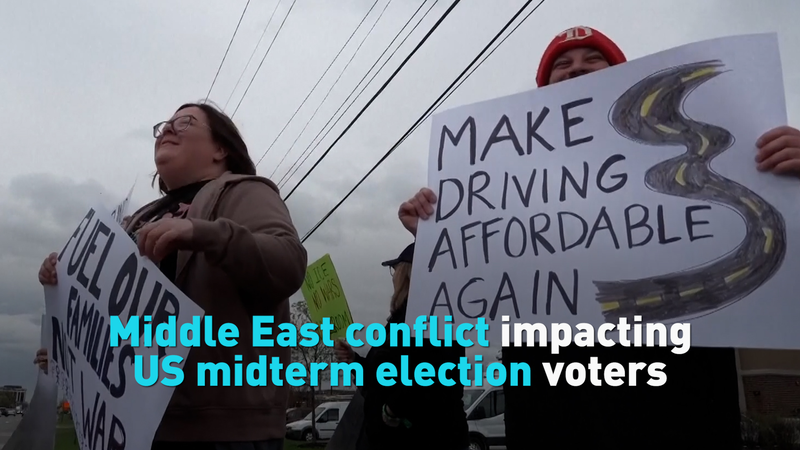
The recent military campaign involving the U.S. and Israel against Iran has reverberated far beyond the battlefield, manifesting in domestic concerns that are now hitting home for American voters. From fuel pumps to protest lines, the consequences are becoming tangible, translating into a political liability for incumbents.
"We're seeing a direct line from events overseas to kitchen-table issues here," noted one political analyst, speaking on the condition of anonymity. "Price hikes stemming from regional instability are a primary economic concern, and public demonstrations against the prolonged engagement are amplifying voter discontent."
This global-to-local dynamic is starting to crystallize in opinion polls, with voter sentiment showing a marked sensitivity to foreign policy outcomes. For Democrats, the situation presents both a challenge and an opportunity. Their strategy to reclaim the House and Senate hinges not only on domestic agendas but also on effectively framing the administration's foreign engagements as detrimental to American interests.
A Democratic majority in Congress would significantly alter the political landscape in Washington, granting the party the power to constrain President Trump through his final two years in office. This potential shift underscores how a conflict thousands of miles away is intimately tied to the balance of power on Capitol Hill.
The 2026 midterms are thus shaping up to be a referendum with a distinctly international dimension, proving that in an interconnected world, even local politics can have global roots.
Reference(s):
cgtn.com