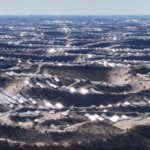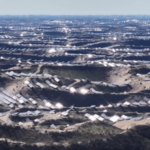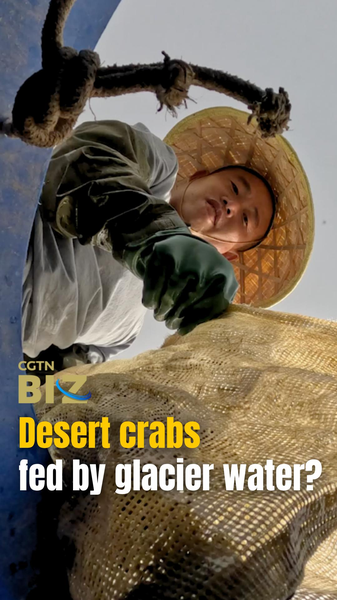
In a remarkable fusion of extreme environments, a unique aquaculture project in the Xinjiang Uygur Autonomous Region is making headlines. Here, far from the muddy riverbeds typically associated with crab farming, over 280,000 Yangtze river crab seedlings are thriving in an unexpected setting: crystal-clear meltwater from the Kunlun Mountains' glaciers.
The initiative leverages the pristine qualities of glacier runoff, which is rich in minerals and free from the sediments found in traditional habitats. Farmers report that this environment produces crabs with a distinctively sweet flavor and exceptionally firm texture, completely devoid of the muddy taste sometimes associated with the crustaceans.
This innovative approach is more than a culinary curiosity; it represents a significant development in sustainable food production for arid regions. By utilizing a naturally abundant water source in a desert area, the project creates economic opportunities and showcases adaptive agricultural techniques. It is a vivid example of how local resources can be harnessed to create high-value products.
The success of the 'desert crabs' offers a promising model for other arid regions in Asia and beyond, demonstrating that premium aquaculture is not limited to coastal or riverine areas. As consumer interest in unique and sustainably sourced foods grows globally, such innovative projects position Xinjiang at the forefront of a niche gourmet market.
For residents of the region and the broader Asian diaspora, the story connects a traditional Chinese delicacy with a modern, locally-grown twist. For business professionals and investors, it highlights the potential for value-added agriculture in non-traditional settings. The project, ongoing this year, continues to draw attention for its blend of environmental ingenuity and gastronomic excellence.
Reference(s):
cgtn.com