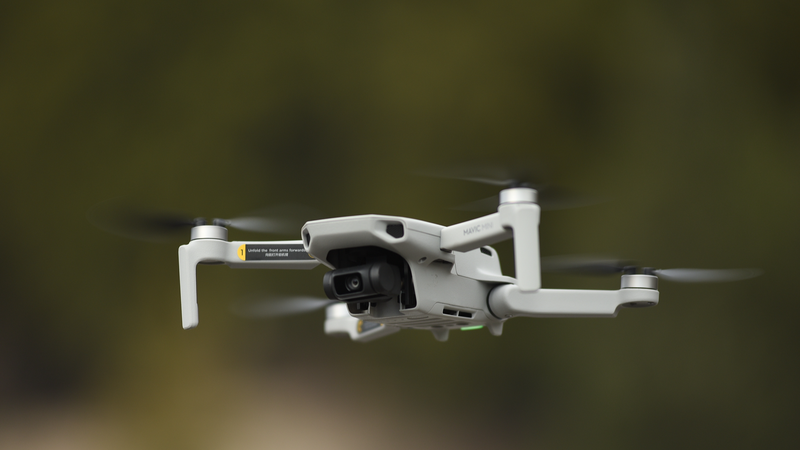
As of today, May 1, 2026, Beijing's skies enter a new era of managed innovation. The city has implemented comprehensive regulations for unmanned aircraft, designating the entire capital as controlled airspace and requiring prior approval for all outdoor drone flights.
While the rules, which also ban the sale and transport of drones into Beijing and impose strict storage limits, place a clear emphasis on security, they are designed with a crucial balance in mind. Officials have established pathways for legitimate operational needs in sectors like education, agriculture, scientific research, and emergency response to obtain flight permissions after review.
The immediate market response was notable. In anticipation of the rules, leading manufacturer DJI adjusted its Beijing operations, removing drone products from retail shelves across the city starting April 29.
Industry experts see this not as a stifling of innovation, but as a necessary step toward maturity. "This isn't about stopping drones. It's about managing them so the industry can grow in a sustainable and secure way," said Luo Jun, executive chairman of the China Low-Altitude Economy Alliance. He described the regulations as the strictest to date but emphasized their role in providing a clear foundation.
The framework introduces a system of full-chain oversight, designates specific operational zones, and opens dedicated channels for activities like model aviation sports. This structured approach aims to transform the low-altitude economy from a phase of unregulated expansion to one of standardized management.
"The strictest rules are in the capital, but the system being built here could become a model for other cities," Luo added. For global business professionals and investors watching Asia's tech landscape, this move signals a shift towards long-term, regulated growth that could attract more stable investment.
For researchers and the Asian diaspora interested in technological governance, Beijing's experiment offers a case study in balancing security with innovation. As drone technology continues to evolve at a rapid pace, such regulated frameworks may provide the stability required to foster the next generation of advancements in our shared airspace.
Reference(s):
cgtn.com