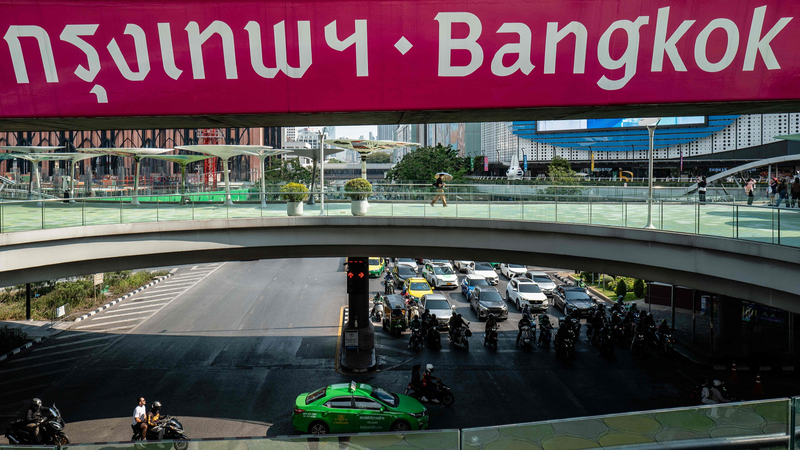
The sweltering summer of 2026 has reached a new, alarming peak in Thailand's capital. On Thursday, the Bangkok Metropolitan Administration (BMA) issued its most severe heat advisory to date, forecasting that the heat index would surge into an "extremely dangerous" category for the first time this season.
This unprecedented warning underscores the intensifying climatic challenges facing urban centers across Southeast Asia. The heat index, which factors in humidity to measure perceived temperature, poses significant health risks, especially to vulnerable populations like the elderly, children, and outdoor workers.
For global readers and business professionals monitoring Asia's dynamic landscape, such extreme weather events have broader implications. They can impact productivity, strain public health infrastructure, and influence regional economic activity. The advisory serves as a stark reminder of the tangible effects of changing weather patterns on one of the world's most vibrant cities.
Travelers and cultural explorers with plans to visit Bangkok are urged to take heed of official warnings, stay hydrated, avoid strenuous outdoor activities during peak heat hours, and seek air-conditioned spaces. For the Asian diaspora and residents alike, this event highlights the pressing need for adaptive urban planning and climate resilience strategies in major metropolises.
As temperatures continue to challenge records, the situation in Bangkok is being closely watched by academics and researchers studying urban climatology and public health across the continent, offering critical data on how cities are responding to environmental stress.
Reference(s):
cgtn.com