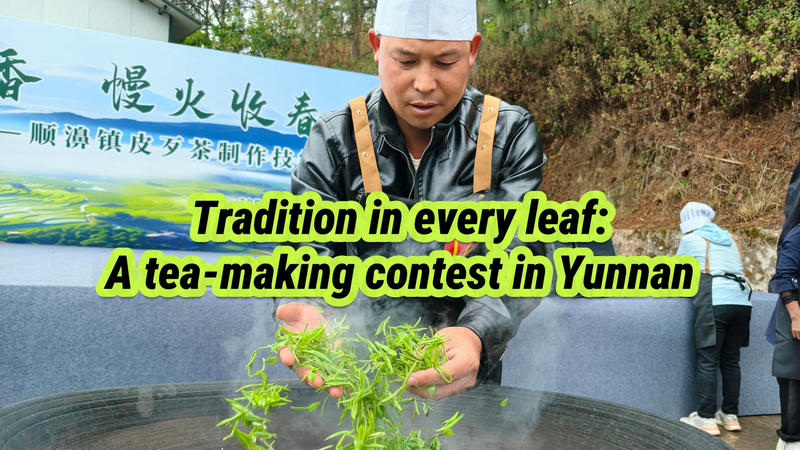
In the misty highlands of southwest China's Yunnan Province, tradition is being steeped, one leaf at a time. Recently, Yangbi County hosted a vibrant tea-making competition, a testament to the enduring craftsmanship behind Pidai tea. This local specialty, with a history spanning over seven decades, is more than just a beverage; it is a living chronicle of local culture and ingenuity.
The contest saw skilled farmers meticulously hand-processing freshly picked leaves, showcasing the precise steps—from withering to rolling and drying—that transform raw leaves into prized Pidai tea. This event serves as a crucial platform to preserve these artisanal techniques, ensuring they are passed down to younger generations.
Beyond heritage preservation, the competition highlights a broader, transformative trend. Local farmers are increasingly turning to tea cultivation as a cornerstone of sustainable development. Many are expanding eco-friendly plantations, adopting practices that protect Yunnan's rich biodiversity while producing high-quality tea.
"This is not just about winning a contest," one participating farmer shared. "It's about safeguarding our ancestors' knowledge and using it to build a better future for our community." This sentiment echoes across the region, where tea has become a key driver of rural revitalization, boosting local incomes and fostering a renewed sense of pride.
As Yunnan continues to position itself as a global hub for premium tea, initiatives like the Yangbi competition play a vital role. They blend cultural stewardship with economic innovation, demonstrating how traditional industries can power sustainable growth. For global tea enthusiasts, business investors, and culture explorers, Yunnan's tea story offers a compelling narrative of resilience and renewal.
Reference(s):
cgtn.com