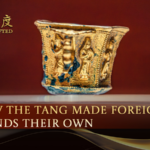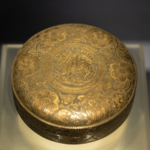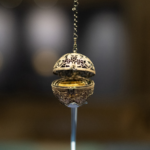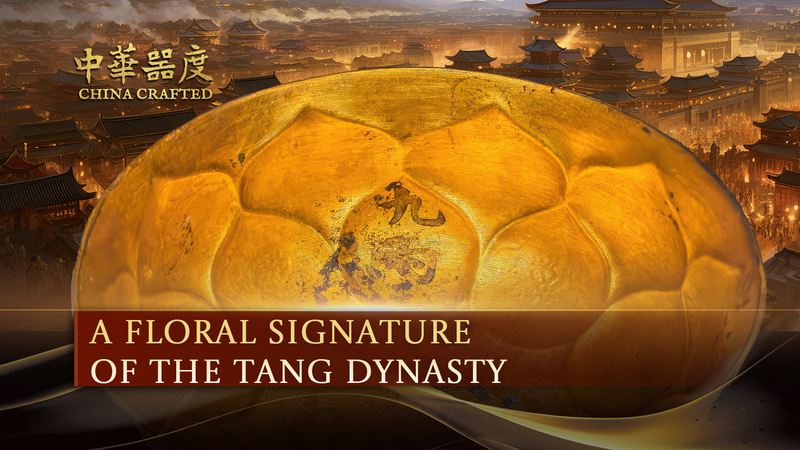
In the heart of China's history, a single motif encapsulates an era of unprecedented cultural flourishing: the baoxianghua, or "precious flower." This intricate design, born during the golden age of the Tang Dynasty (618-907 CE), remains a powerful symbol of a period marked by explosive creativity and refined aesthetic ambition.
More than just decoration, the baoxianghua served as a cultural fingerprint. Its elaborate, symmetrical petals and swirling tendrils adorned everything from imperial silk robes and religious murals to ornate metalwork and ceramic vessels. The motif's pervasive presence speaks to the Tang Dynasty's confidence, wealth, and its role as a central hub on the Silk Road, where artistic influences converged and evolved.
The legacy of this "floral signature" is far from confined to history books. Today, in 2026, its influence is palpable. Contemporary artists, fashion designers, and architects across Asia and beyond continue to draw inspiration from its balanced complexity. Museums worldwide, from New York to Tokyo, feature Tang artifacts bearing this motif, allowing modern audiences to connect with a distant yet vividly resonant past.
For global readers and the Asian diaspora, the baoxianghua offers a tangible link to a shared heritage. For scholars and cultural explorers, it represents a rich field of study in art history and cross-cultural exchange. Its enduring appeal underscores how ancient artistry continues to shape modern identity and design, reminding us that the roots of today's creative expressions often run deep into the fertile soil of history.
Reference(s):
cgtn.com