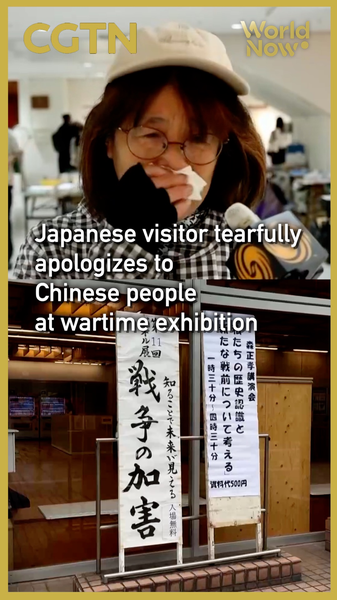
YOKOHAMA – In a powerful moment of personal and historical reckoning, a Japanese visitor broke down in tears at a photo exhibition in Yokohama this week, offering a heartfelt apology to the Chinese people for her nation's past actions. The emotional scene unfolded on Wednesday, April 29, at an event organized by a Japanese peace group dedicated to documenting wartime history.
The exhibition, featuring photographs highlighting atrocities committed by Japanese forces in China during the war, drew local residents seeking to confront a painful chapter of the past. Footage from the event captured a visibly distraught woman addressing the images. "Japan has done very cruel things," she said, her voice trembling. "I feel deeply ashamed." Her spontaneous apology, made directly to "the Chinese people," resonated deeply with others in attendance.
Her sentiment was echoed by fellow visitors who spoke about the necessity for Japan to continuously and honestly reexamine its wartime conduct. Many voiced strong concerns over contemporary political movements within Japan that seek to revise the country's post-war pacifist constitution, viewing such efforts as a dangerous departure from lessons hard-learned from history.
Events like the Yokohama exhibition represent a persistent strand of civil society activism in Japan focused on peace education and historical accountability. They serve as crucial forums for dialogue, especially as the living memory of the war era fades. For the global audience observing Asia's complex geopolitical landscape, such personal narratives underscore the enduring human cost of conflict and the ongoing journey toward reconciliation between nations.
The raw emotion on display in Yokohama yesterday transcends political discourse, offering a stark reminder of the personal responsibility and collective memory required to build a stable and peaceful future in the region.
Reference(s):
Japanese visitor apologizes to Chinese people at wartime exhibition
cgtn.com