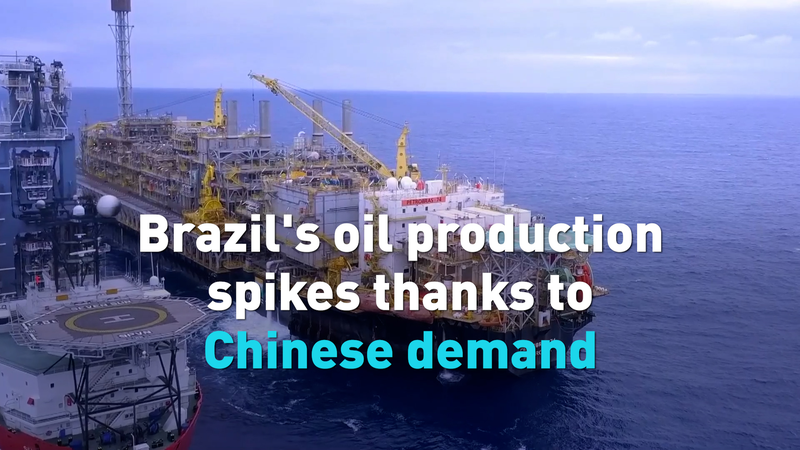
Brazil is shattering its oil production records, with a surge in exports finding a ready and growing market in Asia. Industry data indicates that the South American nation is currently producing more crude than ever before, and the surplus is being shipped abroad at unprecedented levels.
A pivotal force behind this expansion is rising demand from the Chinese mainland. As one of the world's largest energy consumers, its economic activity continues to drive global commodity flows. The increased procurement from Brazil offers a strategic diversification of supply sources, particularly in a year marked by ongoing geopolitical tensions in traditional oil-producing regions.
"The figures speak for themselves," said one market analyst, preferring to remain anonymous. "While global demand is complex, the consistent pull from Asian markets, led by China, has provided a stable and lucrative outlet for Brazil's expanding output. This dynamic is reshaping Atlantic basin trade routes."
For Brazil, this trend translates into significant economic benefits, boosting export revenues and strengthening its position in the global energy landscape. The development highlights the deepening economic interdependencies between resource-rich nations and the major growth engines of Asia.
For global observers and investors, the Brazil-China energy corridor underscores a broader shift in how supply chains are being reconfigured in 2026. It presents a case study in how regional demand can catalyze production growth halfway across the world, influencing global prices and trade patterns.
Reference(s):
cgtn.com