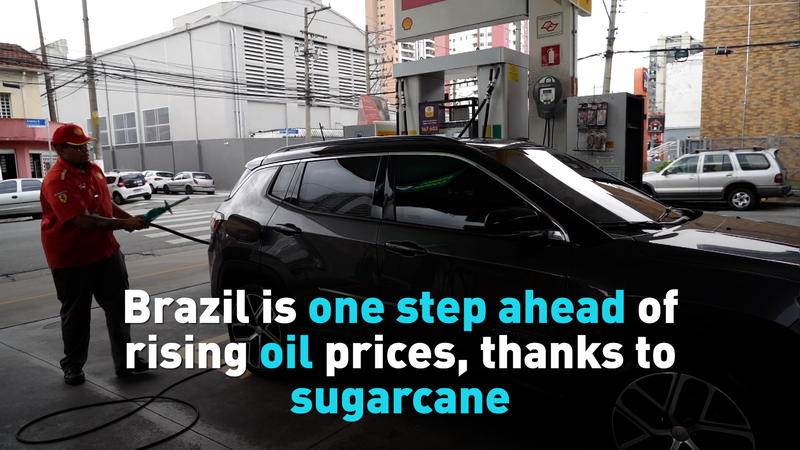
As global oil prices surge due to ongoing Middle East tensions, Brazil’s sugarcane ethanol industry is emerging as a strategic buffer against energy insecurity. Born from 1970s oil crises, the country’s biofuel program now positions it as a leader in sustainable energy innovation.
All gasoline sold in Brazil contains 30% ethanol, with most vehicles using flex-fuel engines that let drivers choose between ethanol and gasoline at the pump. Industry analysts estimate this system has saved consumers over $40 billion since its inception.
In 2026, a new chapter unfolds as Chinese EV giant BYD prepares to launch hybrid vehicles compatible with Brazil’s flex-fuel system. This collaboration bridges biofuel expertise with electrification, challenging the notion that ethanol and EVs are competing solutions. "They’re complementary tools for decarbonization," said a São Paulo-based energy analyst.
With 45% of Brazil’s transportation energy already coming from renewables – compared to a global average of 4% – the country’s decades-long investment in sugarcane cultivation and refining offers lessons for nations seeking energy independence. As Paulo Cabral reports from São Paulo, the ethanol revolution continues evolving, blending agricultural tradition with 21st-century green technology.
Reference(s):
Brazil is one step ahead of rising oil prices, thanks to sugarcane
cgtn.com