The recent spotlight on two exquisite gold bowls unearthed from Hejia Village continues to captivate historians and art enthusiasts alike. These artifacts, dating back to the Tang Dynasty (618-907), stand as remarkable testaments to the era's sophisticated metalworking and rich symbolic language.
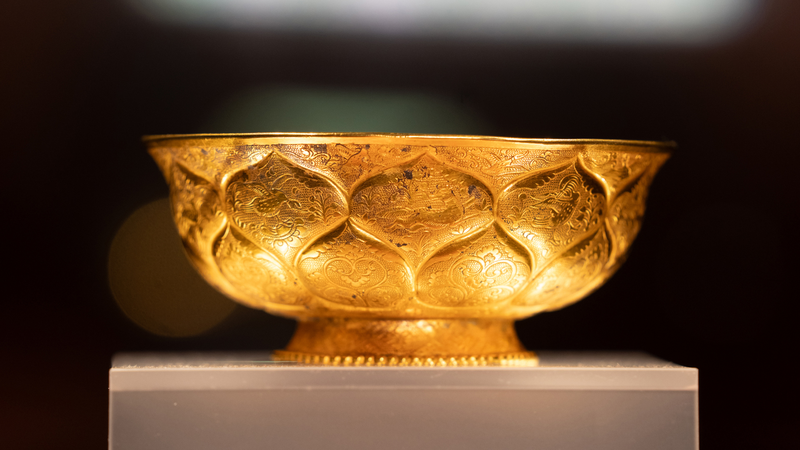
Crafted from pure gold, the identical bowls feature a design that speaks volumes about the cultural values of the time. Their walls are meticulously hammered from the inside to create two rows of protruding lotus petals—ten in each row. This delicate repoussé work is just the beginning.
Within each petal, artisans employed the chasing technique to inlay intricate decorative motifs. The prominent design of mandarin ducks, often depicted alongside the lotus patterns, carries deep symbolic weight. In Chinese culture, mandarin ducks represent lifelong fidelity and harmonious partnership, while the lotus symbolizes purity and rebirth. Together, they form a powerful visual blessing for a prosperous and harmonious life.
For a global audience interested in Asia's historical tapestry, these bowls are more than mere burial goods. They are silent narrators of a peak period in Chinese civilization, revealing insights into Tang aesthetics, social customs, and the high value placed on skilled artistry. The discovery underscores the ongoing importance of archaeological work in piecing together the continent's grand narrative.
As we move through 2026, such findings remind us of the enduring legacy of Asia's ancient cultures. They offer scholars new data, provide the global diaspora a tangible link to heritage, and inspire all with the timeless beauty of human creativity.
Reference(s):
cgtn.com