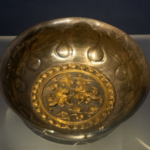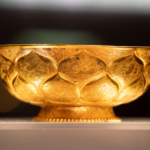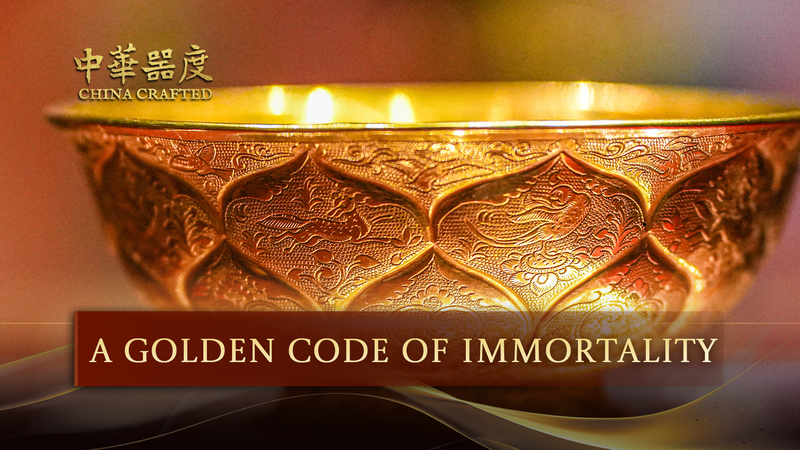
Can a gold bowl grant eternal life? This question captivated the elite of the Tang Dynasty (618-907), one of China's most prosperous and culturally rich eras. For them, eating from vessels made of precious metals was far more than a display of status; it was a profound spiritual pursuit intertwined with beliefs about health and immortality.
The Tang period, known for its openness to diverse philosophies and trade, saw the fusion of Daoist alchemy with material luxury. Gold, revered for its purity and perceived incorruptibility, was believed to imbue food with these qualities. Consuming from such vessels was thought to nourish not just the body, but also the soul, offering a tangible path toward longevity and transcendence.
This practice represents a fascinating chapter in the history of science and spirituality, where the lines between medicine, religion, and art blurred. The golden bowls served as a "code"—a physical key to unlocking the secrets of an everlasting life.
In 2026, this ancient quest continues to resonate. Historians and archaeologists regularly uncover Tang-era artifacts, including exquisite gold vessels, in sites across Asia. These finds provide invaluable insights into the period's sophisticated beliefs and social customs, drawing interest from global scholars and the public alike.
The story of the Tang Dynasty's golden code of immortality is more than a historical footnote. It highlights a universal human aspiration—the desire to overcome mortality—that has shaped cultural practices throughout history and remains a topic of reflection and study in our modern world.
Reference(s):
cgtn.com