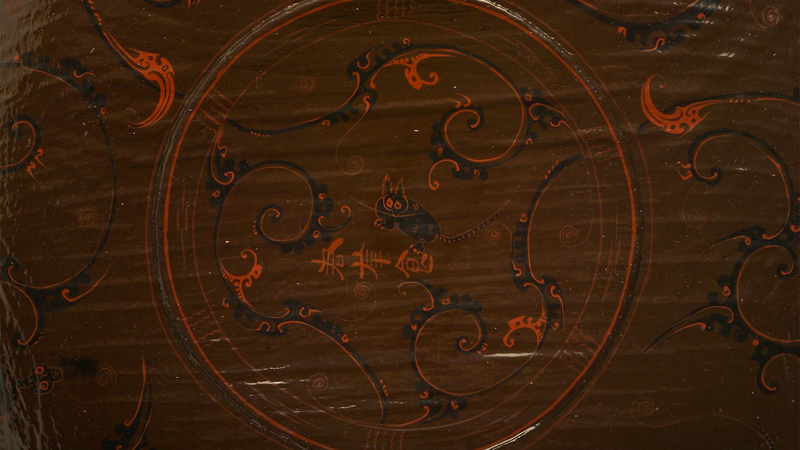
In the silent chambers of tombs dating back over two millennia, a unique guardian watches over the remnants of ancient banquets. The lacquerware vessels unearthed from the Han Dynasty tombs at Mawangdui are adorned with a captivating motif: the leopard cat. These may represent some of the earliest known feline imagery in China.
More than a hundred of these small predators appear across the artifacts, each captured in a moment of vivid animation. They are poised in varied postures—some crouching, others standing boldly atop depictions of food platters. Their tails curl with a striking sense of life, as if ready to pounce at any moment.
During the Han era, when dining customs involved sitting on the floor, the practical value of the leopard cat was clear. It was valued for its skill in catching rats and protecting stored grains and food supplies from vermin. Over time, this practical role evolved into a powerful symbolic one.
The leopard cat's image, meticulously painted onto precious lacquerware, transformed into a quiet emblem of blessing, protection, and good fortune for the household. It became a guardian of the table, a silent promise of abundance and security for those who dined. These artifacts offer a fascinating window into how the people of the Han Dynasty integrated the natural world into their cultural and spiritual life, seeing in a common hunter a protector of their prosperity.
Reference(s):
cgtn.com