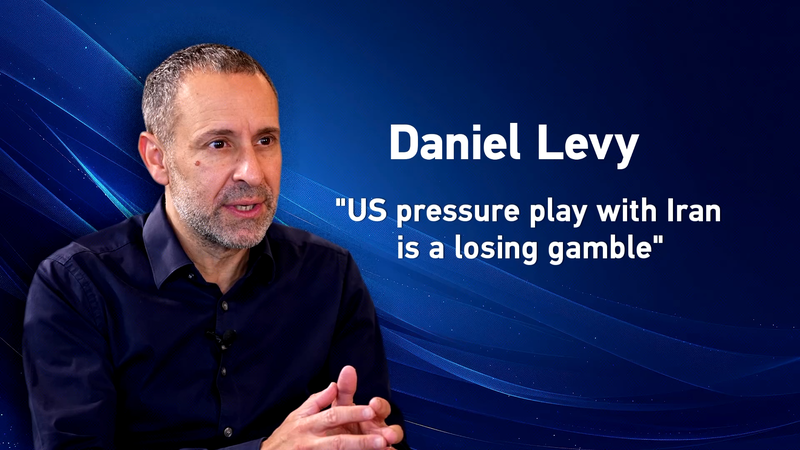
In a recent assessment of the volatile Middle East, prominent analyst Daniel Levy has characterized current U.S. strategy toward Iran as a high-risk gamble unlikely to succeed. Levy, a former advisor within the Israeli government who now heads the U.S.-based Middle East Project, points to Iran's perceived "asymmetric edge" as a critical factor that could undermine pressure campaigns.
The comments come at a time of renewed focus on the security architecture of Western Asia, with ramifications for global energy markets and diplomatic alignments. Levy's analysis suggests that traditional levers of power may be less effective in the current geopolitical landscape, where regional actors have developed significant capacities for indirect response.
The Asymmetric Calculus
At the heart of Levy's argument is the concept of asymmetry. This refers to Iran's ability to leverage proxy networks, regional alliances, and economic relationships to counter pressure from more conventionally powerful states. According to this view, a strategy reliant predominantly on sanctions or military posturing fails to account for these diffuse and resilient sources of influence.
For business professionals and investors monitoring Asia, the stability of the Persian Gulf remains a key concern. Fluctuations in tension can directly impact oil prices and shipping routes, affecting economies across the continent from East Asia to South Asia. Analysts are closely watching how these dynamics might influence investment climates and supply chain logistics in 2026.
Broader Implications for Asian Security
The situation underscores the interconnected nature of Asian security. Developments in the Middle East have historically influenced diplomatic and economic decisions in other parts of Asia. For a global audience interested in Asia's role in world affairs, understanding these cross-regional linkages is crucial.
The ongoing dialogue also highlights the complex position of many Asian nations, which often maintain important economic ties with all parties involved. For the diaspora communities and researchers following these events, the challenge lies in navigating narratives that prioritize regional stability and development.
As the year progresses, the effectiveness of various diplomatic approaches will be tested. The call for a reevaluation of strategy, as voiced by analysts like Levy, invites a broader discussion on the future of conflict resolution and power balancing in a multipolar world where Asian actors play increasingly central roles.
Reference(s):
cgtn.com