A Sudden Diplomatic Shift
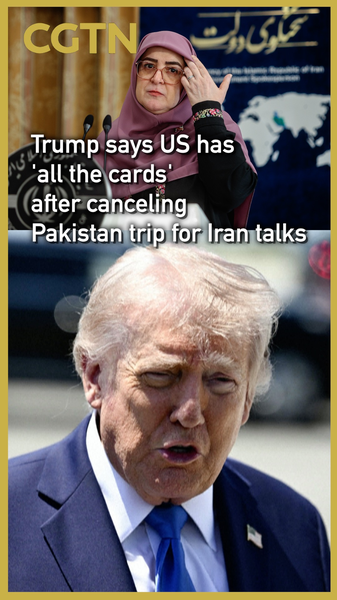
In a move highlighting the fluid nature of international diplomacy, then-US President Donald Trump recently revealed he canceled a planned trip by his envoys to Pakistan, which was intended to facilitate talks with Iran. Stating there was 'no need to wait,' Trump asserted that Washington held 'all the cards.' This abrupt decision, and the subsequent geopolitical ripple effects, underscores the complex dynamics at play in Asia, where major powers' actions can have far-reaching consequences for regional stability and economic partnerships.
The Iranian Response
Following the cancellation, the Iranian government was quick to react. Government spokesperson Fatemeh Mohajerani emphasized Tehran's commitment to achieving sustainable peace through diplomatic channels while firmly defending its national interests. She added that all political forces within Iran remain united on matters of national security. Official statements and reports from news agencies indicate that Tehran remains firm on not entering into 'imposed negotiations' under the threat of blockade or pressure, suggesting a careful, principled approach to future talks.
Implications for the Asian Landscape
This development is closely watched across Asia. For business professionals and investors, shifts in US-Iran relations can impact energy markets, trade routes, and regional security, directly affecting economic forecasts and investment climates in South and West Asia. For global readers and policymakers, it represents another chapter in the ongoing recalibration of alliances and power balances. The canceled trip via Pakistan also briefly placed a spotlight on Islamabad's role as a potential diplomatic intermediary, a facet of its foreign policy that holds significance for cross-regional ties.
For the diverse readership of KhabarAsia.com, from academics analyzing statecraft to diaspora communities monitoring homeland security, this event serves as a critical case study in modern diplomacy. It demonstrates how a single announcement can alter the diplomatic chessboard, affecting not just the immediate parties but also neighboring regions and international stakeholders invested in Asian stability.
Reference(s):
Trump says US has 'all the cards' after canceling Pakistan trip for Iran talks
cgtn.com