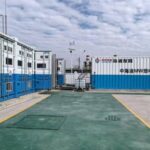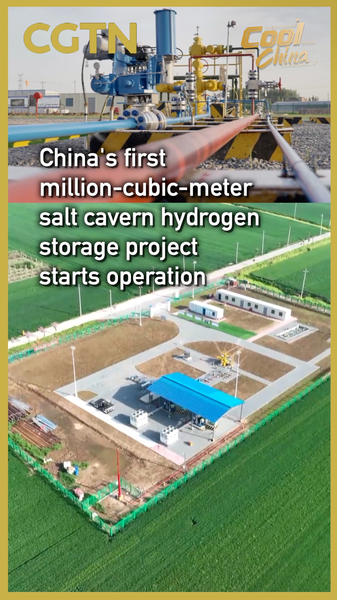
In a significant step for Asia's green energy transition, China's first million-cubic-meter salt-cavern hydrogen storage demonstration project has begun operation. Located in Pingdingshan, central China's Henan Province, the facility represents a breakthrough in overcoming one of the biggest hurdles for the hydrogen economy: large-scale, cost-effective storage.
The project is designed to store 1.5 million cubic meters of hydrogen gas. Salt caverns, created by dissolving underground salt deposits, are considered an ideal geological formation for storing gases due to their impermeability and stability. This method is a game-changer, moving beyond traditional high-pressure tanks and enabling the kind of vast energy reserves needed for industrial applications.
For business professionals and investors watching Asia's clean energy sector, the project's operation marks a new stage in the industrial development of China's hydrogen chain. It integrates the production, storage, transport, and utilization of hydrogen into a cohesive industrial ecosystem, paving the way for more reliable and scalable green hydrogen supply networks.
This development on the Chinese mainland is closely monitored by academics and energy analysts worldwide as a real-world test of large-scale hydrogen storage technology. Its success could provide a blueprint for other nations and regions seeking to harness hydrogen's potential as a clean fuel for industry, transportation, and power generation.
As global efforts to decarbonize intensify in 2026, advancements in core technologies like storage are critical. The operational launch of this facility positions China at the forefront of solving the practical infrastructure challenges that will determine the pace of the global hydrogen revolution.
Reference(s):
China's first million-cubic-meter salt-cavern hydrogen storage project starts operation
cgtn.com