Sudden US Move Disrupts Planned Talks
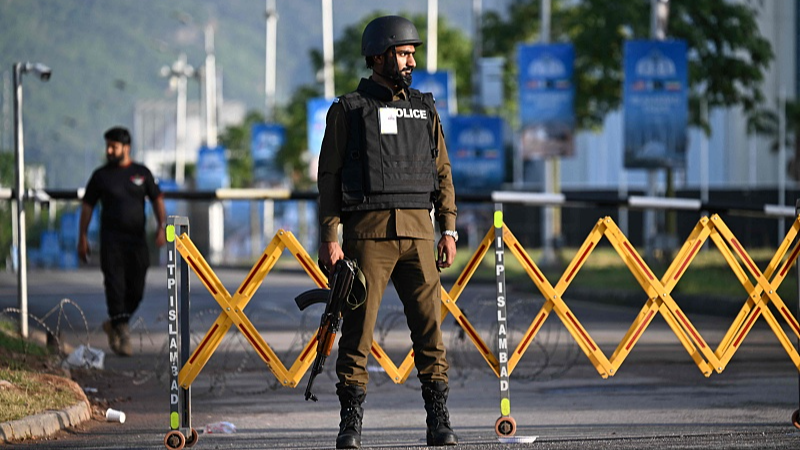
In a surprising move late last week, former US President Donald Trump announced the cancellation of a planned US delegation visit to Islamabad, Pakistan, intended to meet with Iranian officials. The announcement, made via social media on Saturday, April 25, 2026, came just as Iranian Foreign Minister Seyed Abbas Araghchi concluded what he termed a "very fruitful" visit to Pakistan and departed for neighboring Oman.
A Region in Diplomatic Motion
The cancelled US trip, which was to include special envoy Steve Witkoff, was called off amid what Trump described as "tremendous infighting and confusion" within Iranian leadership. On the same day, Iranian government spokesperson Fatemeh Mohajerani countered, stating that all political factions within Iran are united on protecting national security and warning hostile forces against miscalculation.
Iran's diplomatic offensive continued unabated. Following his talks in Islamabad, where he met with Pakistan's army chief and prime minister, Foreign Minister Araghchi landed in Muscat, Oman, for discussions on bilateral relations and regional developments. Reports from Iranian media suggest a potential return to Pakistan is on the cards before Araghchi heads to Russia, indicating that regional mediation efforts led by Pakistan remain active.
Core Disagreements Remain
The developments underscore the fragility of the path toward renewed US-Iran dialogue. A ceasefire reached on April 8, 2026, was followed by inconclusive talks in Islamabad on April 11-12. While an Iranian diplomat suggested second-round negotiations could occur in the coming days, significant hurdles remain.
Iran has reportedly urged the US side to soften its rhetoric and demands, linking this to greater support from domestic hardliners for diplomacy. Tehran had previously declined to attend talks scheduled for this past week, citing an ongoing US naval blockade. Trump, however, asserted the US held "all the cards," framing the cancellation as a practical decision not to undertake an 18-hour flight when the other side was not prepared to negotiate on US terms.
Regional Players Seek Stability
The flurry of diplomatic activity highlights the critical role of regional actors like Pakistan and Oman in facilitating communication and de-escalation. Araghchi publicly thanked Pakistan for its "brotherly efforts to bring back peace to our region." His ongoing itinerary, which next includes Russia, suggests a concerted Iranian effort to build a united regional front and coordinate diplomatic strategies outside the direct US-Iran channel.
As of April 26, 2026, the situation remains in flux. The cancellation of the US trip represents a setback for immediate face-to-face talks, but the continued shuttle diplomacy by Iran indicates that the door for negotiation, however narrow, is not yet closed. The coming days will reveal whether the gaps on core issues can be bridged through these indirect channels.
Reference(s):
Trump cancels US delegation's Pakistan trip, Iranian FM lands in Oman
cgtn.com