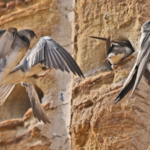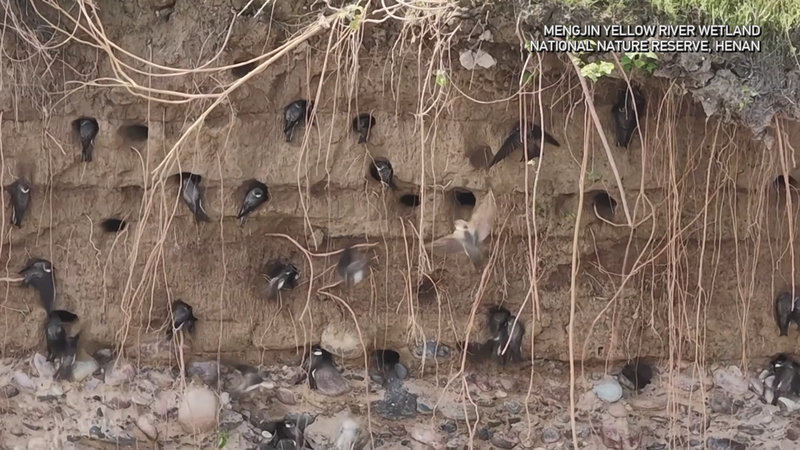
Along the iconic Yellow River, a remarkable natural spectacle is unfolding this spring. Thousands of small, industrious sand martins have descended upon the river's sandy cliffs, meticulously carving out countless tiny nesting holes. The result is a breathtaking, naturally formed 'honeycomb' that stretches along the banks, a testament to the vibrant life supported by this vital Asian waterway.
The period from April to June marks the peak breeding season for these agile birds, and their activity is at a frenzied pace. In the nearby riparian woodlands, the scene is equally busy. Towering grey herons and the more secretive black-crowned night herons are diligently tending to their nests, raising the next generation of chicks. The combined activity creates a rich tapestry of avian life along the river's ecosystem.
Recognizing the importance of this critical period, local researchers and conservationists have stepped up their monitoring and patrol efforts along the river. The goal is clear: to provide these birds with a safer, more protected environment in which to nest, hatch their eggs, and rear their young. These efforts highlight a growing commitment to preserving the biodiversity of one of Asia's most significant rivers.
For global observers and ecology enthusiasts, the thriving bird populations along the Yellow River serve as a positive indicator of regional environmental stewardship. The health of this river system is intrinsically linked to the broader ecological and climatic balance of the region. The sight of thousands of sand martins returning each year to raise their young is not just a seasonal event; it is a story of resilience and coexistence, offering a hopeful narrative for the future of Asia's natural landscapes.
Reference(s):
Thousands of sand martins nest along Yellow River amid breeding season
cgtn.com