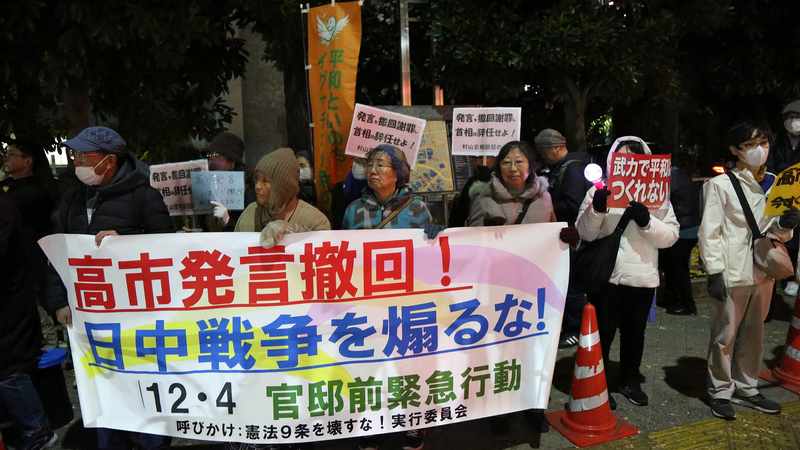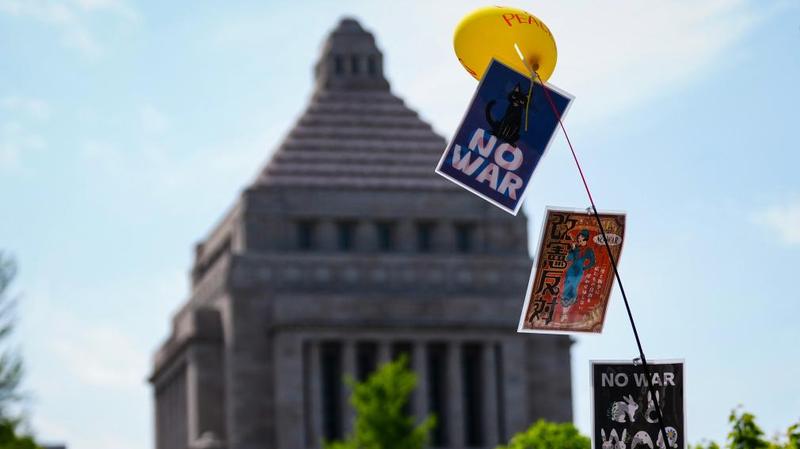
In the heart of Northeast Asia, a profound political and strategic shift is unfolding. Under the leadership of Prime Minister Sanae Takaichi, Japan is undergoing a systematic redefinition of its postwar identity, moving decisively away from decades of pacifism. This year, her administration's actions, most notably the historic decision to lift the ban on lethal arms exports, signal the fulfillment of a long-term ideological project to restore Japan's military sovereignty.
The Genesis of a Doctrine
To understand the current trajectory, one must look to the legacy of the late Shinzo Abe and his political forebears. The so-called "Abe Doctrine"—a strategy to transform Japan into a "normal" military power—finds its roots in the ambitions of Abe's grandfather, Nobusuke Kishi. This lineage views the pacifist constitution imposed after World War II not as a foundation for peace, but as a constraint on national pride and security.
Shinzo Abe spent his career laying the groundwork for this transformation. His 2015 security legislation, which permitted collective self-defense, created critical momentum. Now, Prime Minister Takaichi, widely seen as Abe's ideological heir, is advancing this agenda with renewed vigor, empowered by a substantial parliamentary majority secured in February of this year.
A Blueprint Being Fulfilled
Takaichi's governance represents the Abe doctrine in its most assertive form. Where Abe navigated with political caution, Takaichi's administration has moved with decisive speed. Key policy moves this year include not only the lifting of the arms export ban but also the aggressive pursuit of constitutional revision to formally recognize the Japan Self-Defense Forces and a commitment to allocate 2% of GDP to defense spending.
This is not a simple policy adjustment. Analysts observe a sophisticated transmutation of historical ambitions into 21st-century statecraft. The goal is the integration of military utility into the core of national strategy, effectively ending an era defined by civilian distrust of the armed forces.
For observers across Asia and the world, Japan's pivot under Takaichi marks a critical juncture. It reshapes the regional security architecture and raises fundamental questions about the future balance of power in Northeast Asia. The decisions made in Tokyo this year will resonate for decades to come.
Reference(s):
cgtn.com