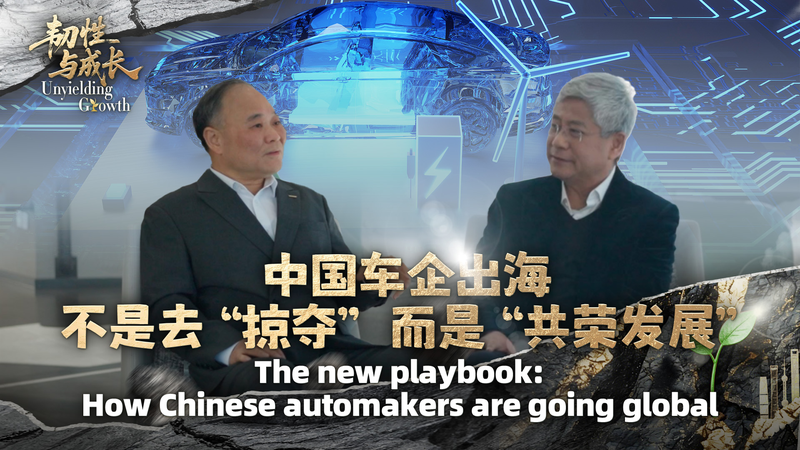
In today's rapidly evolving global automotive landscape, Chinese companies are redefining what it means to go international. Success, they assert, is not measured by market capture alone but by the sustainable value they build within local communities. This philosophy of 'building, not just taking' is central to the new playbook for China's automotive expansion in 2026.
Li Shufu, chairman of Geely Holding Group, recently articulated this approach. He emphasized that the core principles for Chinese automakers venturing overseas are genuine localization: creating jobs, strengthening local economies, and supporting long-term development. This strategy aims to foster mutual benefit and integration rather than mere market entry.
The Chinese automotive industry currently holds a significant edge in the global shift towards electrification. Its advantages in cost-efficiency, manufacturing scale, and resilient supply chains provide a strong foundation for international growth. These strengths are particularly relevant as the world accelerates its transition to electric vehicles.
However, the path of global expansion is not without its obstacles. Companies are navigating a complex environment marked by rising tariffs, so-called "small yard, high fence" policies, and other growing trade barriers. These challenges underscore the friction inherent in international commerce.
The response from industry leaders like Li Shufu is not confrontation. Instead, the forward path is one of cooperation, strict compliance with local regulations, and a commitment to shared growth. By prioritizing these values, Chinese automakers are working to build lasting partnerships and contribute positively to the economies they enter, aiming to turn global challenges into opportunities for collaborative progress.
Reference(s):
cgtn.com