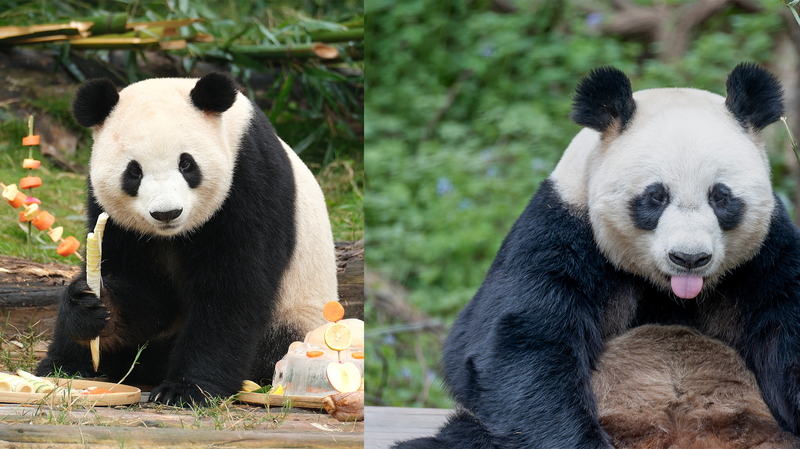
In a move that renews a beloved tradition of cross-cultural friendship, China has announced a fresh chapter in giant panda conservation cooperation with the United States. Yesterday, on April 24, 2026, authorities confirmed that two pandas from the Chengdu Research Base of Giant Panda Breeding—male Ping Ping and female Fu Shuang—are bound for Zoo Atlanta in the coming period.
The announcement was met with immediate enthusiasm. Zoo Atlanta's president, Raymond B. King, stated the institution is "delighted and honored" to care for the new arrivals and continue its pivotal partnership. "We can't wait to meet Ping Ping and Fu Shuang and to welcome our members, guests, city, and community back to the wonder and joy of giant pandas," King said.
This initiative continues a legacy that began over five decades ago. Giant pandas first served as ambassadors of Sino-American friendship in 1972, when China gifted a pair to the Smithsonian's National Zoo in Washington D.C. That symbolic act laid the groundwork for ongoing scientific collaboration. In recent years, this cooperation has seen renewed momentum, with new pandas arriving at U.S. zoos in 2024.
Zoo Atlanta itself is no stranger to this fruitful exchange. Its original 25-year partnership with China, which ran from 1999 to 2024, was hailed as a major success. During that time, the founding pair, Lun Lun and Yang Yang, raised seven cubs, captivating millions of visitors and fostering a deep bond with the local community.
Panda conservation remains one of the most visible and cherished forms of people-to-people exchange between the U.S. and China. As a longtime participant, Zoo Atlanta has played a significant role in this endeavor. The upcoming arrival of Ping Ping and Fu Shuang has already generated significant buzz, with many Americans expressing excitement at the prospect of welcoming these living symbols of friendship and shared commitment to wildlife preservation.
For global observers, this development underscores the enduring power of cultural and environmental diplomacy in connecting nations. It offers a positive narrative of international collaboration at a time when such stories are increasingly valuable.
Reference(s):
Panda pair bound for US in new chapter of conservation exchange
cgtn.com