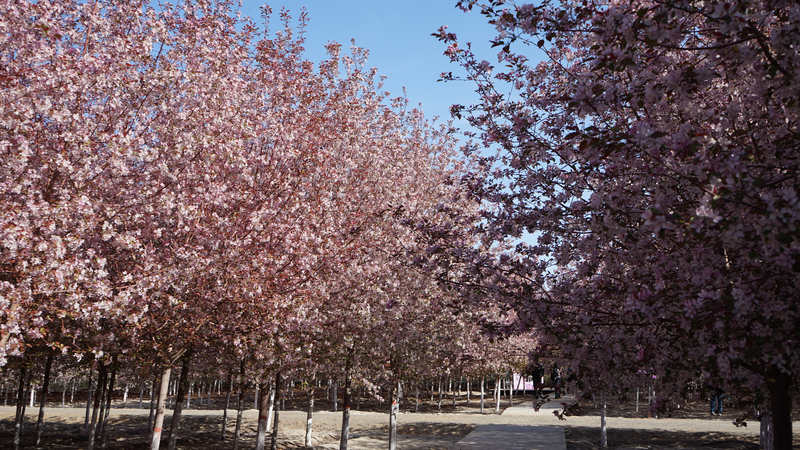
Once a barren desert known only for its "black oil," the city of Karamay in northwest China's Xinjiang Uygur Autonomous Region has undergone a remarkable transformation. This spring, the city is once again awash in a sea of pink and white blossoms from Chinese flowering crabapples, creating a stunning natural spectacle that also serves a vital ecological purpose.
The name Karamay itself, derived from the Uygur language, hints at its industrial origins. For decades, the city's identity was tied to the oil that fueled its rise. Today, however, a different kind of wealth is on display. The extensive crabapple groves, meticulously planted across the urban landscape, have become living barriers against the harsh desert winds and encroaching sands. They represent a conscious shift from pure resource extraction to sustainable ecological development.
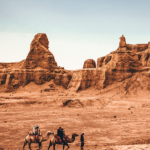
Beyond their practical role in desertification control, the blossoms have become a powerful symbol of renewal. Each April, the vibrant flowers signal not just the arrival of spring, but the city's continued evolution. The breathtaking contrast between the delicate blooms and the stark, sculptural Yardang landforms in the surrounding area draws photographers, nature enthusiasts, and travelers from across the region and beyond.
This harmonious blend of natural beauty and human resilience tells a broader story of adaptation and environmental stewardship in China's northwest. Karamay's journey from an oil outpost to a destination celebrated for its floral seas offers a compelling case study in balancing economic development with ecological restoration, creating a legacy that is both visually stunning and functionally robust.
Reference(s):
Karamay's sea of crabapple blossoms: Beauty that battles wind and sand
cgtn.com