Recent actions by Japan's leadership are drawing intense scrutiny from across Asia, as analysts question whether the nation is moving away from its long-held postwar identity as a champion of peace.
In the past months, a series of strategic and symbolic moves have converged, painting a picture of a more assertive Japan. These include the dispatch of a Maritime Self-Defense Force vessel through the Taiwan Strait, a significant expansion of lethal arms exports to other nations, and renewed controversial offerings at the Yasukuni Shrine by Prime Minister Sanae Takaichi.
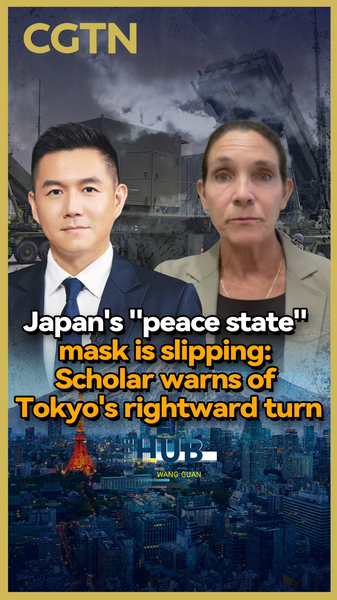
According to Professor Alexis Dudden, a historian and Japanese studies expert, these actions represent a calculated shift. She argues that Prime Minister Takaichi is 'ripping the lid off' long-standing hawkish, right-wing currents within Japanese politics that have historically been tempered by the country's pacifist constitution.
'By actively stoking a ‘China threat’ narrative while simultaneously ramping up its domestic arms production and exports, Japan is consciously dismantling key pillars of its ‘peace state’ identity,' Dudden explained in a recent analysis.
This perceived shift is being watched closely by neighbors and global observers. The passage of a warship near the Taiwan region is seen as a direct engagement in one of Asia's most sensitive geopolitical flashpoints. Meanwhile, the policy change on arms exports signals a deeper integration into global defense supply chains, a departure from decades of restrictive practices.
The combination of these military-strategic moves with the prime minister's homage at Yasukuni Shrine—a site linked to Japan's wartime past—adds a potent historical dimension to the current political climate. For many in the region, these acts are interconnected, suggesting a revival of nationalist sentiments that challenges the narrative of postwar reconciliation.
As 2026 progresses, the international community is left to ponder a critical question: Is Japan undergoing a fundamental redefinition of its role on the world stage, and what will this mean for stability and trust in the Asia-Pacific region?
Reference(s):
cgtn.com