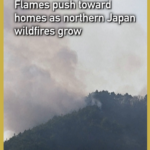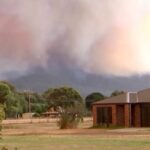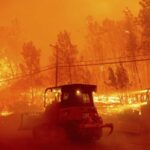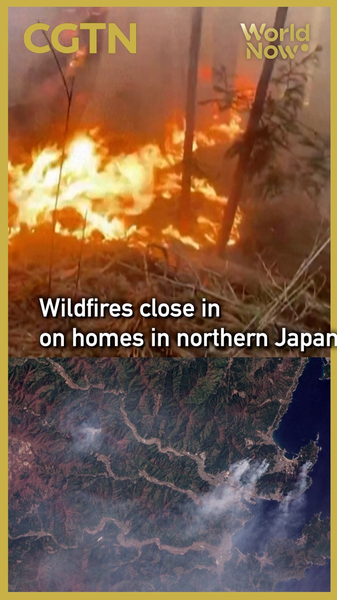
Raging wildfires in northern Japan's Iwate Prefecture continue to spread, forcing thousands from their homes as flames encroach on residential areas. The situation in the town of Otsuchi remains critical, with authorities struggling to contain the blazes that have already consumed a vast area of land and damaged several structures.
The fires, which ignited this past Wednesday, have proven difficult to control. By Friday morning, April 24, 2026, the inferno had scorched nearly 1,200 hectares of land and damaged at least eight buildings. With containment efforts facing significant challenges, local officials have urgently advised more than 3,000 residents to evacuate to ensure their safety.
"Our priority is the safety of our residents," a local official stated, emphasizing the volatile nature of the fire's path. Emergency crews, including firefighters and Japan Self-Defense Forces personnel, are working tirelessly on the ground, supported by aerial water drops. However, shifting winds and dry conditions continue to fuel the spread of the flames.
This event highlights the increasing vulnerability of regions to severe wildfires, a concern for communities and policymakers across Asia. For business professionals and investors monitoring the region, such natural disasters can disrupt local economies, affect supply chains in forestry and agriculture, and prompt reassessments of regional risk profiles.
The impact also resonates deeply with Asian diaspora communities, particularly those with roots in the affected Iwate Prefecture, who watch anxiously from afar. Furthermore, travelers and cultural explorers with plans to visit northern Japan this year are advised to stay informed via official travel advisories, as such events can affect regional accessibility and safety.
As the community of Otsuchi rallies, the focus remains on protecting lives and property. The incident serves as a stark reminder of the power of nature and the importance of robust disaster preparedness and response systems in an era of changing climatic patterns.
Reference(s):
cgtn.com