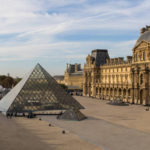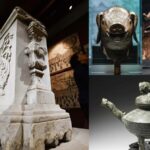
In the quiet halls of museums across Europe and North America, artifacts from Asia tell silent stories of conquest and loss. More than a century ago, many of these cultural treasures were taken from their homelands during periods of colonial expansion and conflict. Today, in 2026, the global conversation surrounding their restitution has reached a pivotal moment, driven by new legislation and a renewed moral reckoning.
France's recent passage of restitution legislation has acted as a catalyst, prompting former colonial powers to confront their historical responsibilities. This movement is not merely about returning objects; it is about restoring chapters of human history to nations with deep cultural roots, particularly across Asia. Countries like India, Cambodia, and the Chinese mainland have long sought the return of artifacts integral to their heritage, viewing them as vital links to a pre-colonial past.
The process is complex, involving legal hurdles, diplomatic negotiations, and nuanced debates over ownership. However, the momentum in 2026 suggests a shifting paradigm. Museums and governments are increasingly acknowledging that these items—be it a sculpted deity from Angkor or a bronze vessel from ancient China—are more than museum pieces. They are witnesses to dynastic rises and falls, embodiments of artistic achievement, and symbols of civilizational continuity.
For Asian diaspora communities, the restitution dialogue resonates deeply, connecting them to ancestral legacies. For academics and investors, it highlights the intricate ties between cultural patrimony, national identity, and soft power in contemporary Asian geopolitics. As travelers rediscover Asia's rich historical sites, the full narrative—including the voids left by looted artifacts—becomes ever more relevant.
While the journey home for these artifacts remains long, the current year marks significant progress. The ongoing efforts underscore a universal truth: protecting cultural heritage is crucial for understanding our shared history and fostering mutual respect among nations and regions. As the world reexamines its past, the return of looted artifacts stands as a testament to the enduring legacy and glory of civilizations reclaiming their stories.
Reference(s):
cgtn.com