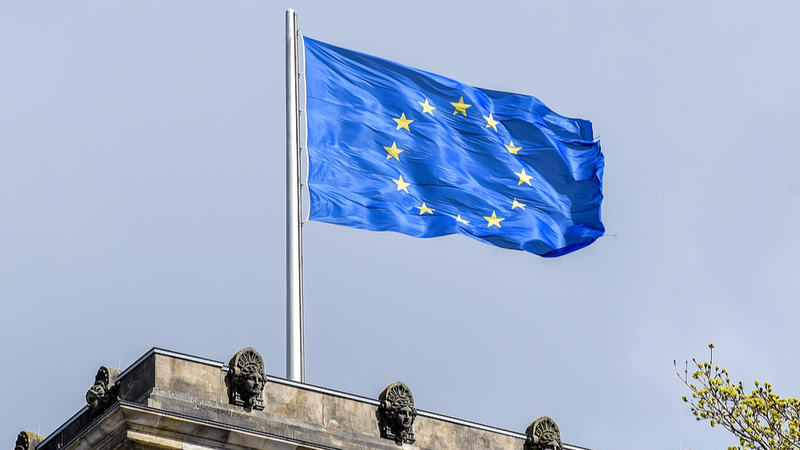
High energy costs are set to dominate discussions as European Union leaders gather for an informal summit in Nicosia, Cyprus. The meeting comes against a backdrop of continued volatility in global energy markets, primarily due to the prolonged blockade of the Strait of Hormuz, a vital conduit for approximately one-fifth of the world's oil and gas supplies.
While a ceasefire extension between Washington and Tehran has opened a window for diplomatic efforts, EU officials recognize that relief for consumers and industries will not be immediate. The region is grappling with the economic fallout for the second time in less than five years, underscoring the vulnerabilities of Europe's heavy reliance on imported fossil fuels.
On the eve of the summit, the European Commission unveiled a new package of measures titled "AccelerateEU." The initiative aims to shield households and businesses from the crisis while accelerating the transition to domestically produced clean energy. According to commission estimates, the EU has spent an extra 24 billion euros on energy imports since the escalation of conflict in the Middle East, without receiving any additional supply.
A Two-Pronged Strategy: Immediate Relief and Long-Term Resilience
The "AccelerateEU" package proposes a mix of short-term interventions and structural reforms. Key short-term measures include enhanced coordination among member states on refilling gas storage facilities, more flexible rules for strategic oil stock releases, and the creation of a new Fuel Observatory to monitor fuel flows across the bloc.
For vulnerable households, the package suggests options like targeted income support, energy vouchers, and reduced electricity taxes. Governments would also gain temporary flexibility to provide state aid to the hardest-hit economic sectors.
Looking ahead, the plan emphasizes electrification as a cornerstone of energy independence. An Electrification Action Plan, expected by summer 2026, will set targets and propose removing barriers in industry, transport, and construction. European Commission President Ursula von der Leyen indicated that legislative proposals on reforming electricity taxes and grid charges are also forthcoming.
The Geopolitical Shadow: Middle East Conflict and Its Ripple Effects
The agenda in Cyprus is inextricably linked to events in the Middle East. European Council President Antonio Costa stated the meeting would address "the challenging geopolitical environment and Europe's response to it."
The EU has maintained a stance of non-involvement in the conflict between Iran and a U.S.-Israel coalition. However, leaders are actively engaged in de-escalation efforts. Recent statements from French President Emmanuel Macron, warning of potential repercussions for EU-Israel trade relations, highlight the bloc's attempt to leverage its economic influence to foster stability.
Von der Leyen has previously stressed that restoring free navigation through the Strait of Hormuz is "of paramount importance" for global energy security and the EU's economic well-being.
Beyond the Crisis: Planning for the Future
The Cyprus summit also serves as a crucial planning session for the EU's long-term financial future. A significant portion of the discussions will be dedicated to the next Multiannual Financial Framework (MFF), which will govern the EU budget from 2028 to 2034. This framework is expected to prioritize competitiveness, security, defense, and continued support for Ukraine.
Following their internal meetings, EU leaders are scheduled to hold talks with representatives from Egypt, Jordan, Lebanon, and Syria. Strengthening ties with Middle Eastern partners is a key priority for Cyprus during its EU presidency.
As leaders deliberate in Nicosia, the overarching challenge is clear: crafting a resilient energy policy that protects citizens today while building a sustainable and sovereign energy system for tomorrow.
Reference(s):
High energy costs focus of discussions at EU summit in Cyprus
cgtn.com