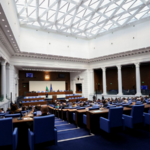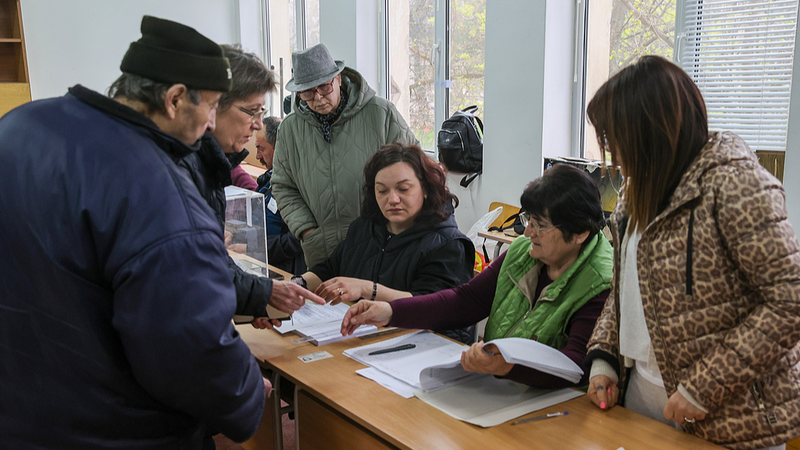
Bulgaria held its eighth parliamentary election in five years on April 19, 2026, as voters cast ballots to break a cycle of political instability that has hindered governance and economic reforms. Nearly 6.6 million eligible voters chose 240 lawmakers from over 4,700 candidates representing 14 parties, 10 coalitions, and one independent candidate.
Polling stations opened nationwide at 7 a.m. local time, with overseas voting available in 55 countries and regions. Exit polls are expected after 8 p.m., and final results will be announced by April 23. The election follows the resignation of Prime Minister Rosen Zhelyazkov’s coalition government in December 2025 amid protests over economic policies, marking the latest chapter in Bulgaria’s prolonged political deadlock.
Zhelyazkov’s government, formed after October 2024 snap elections, struggled to address public discontent over inflation and fiscal reforms. The National Assembly, Bulgaria’s legislative body, faces renewed pressure to form a stable government capable of addressing economic challenges and restoring public trust.
Analysts suggest the outcome could influence Bulgaria’s role in European Union policymaking and foreign investment trends in Southeast Europe. With voter fatigue rising, the election underscores the delicate balance between democratic processes and effective governance in a region increasingly shaped by geopolitical and economic uncertainties.
Reference(s):
cgtn.com