Chinese policymakers are redefining success metrics for governance in 2026, prioritizing sustainable development and citizen welfare over raw economic output. This strategic shift comes as authorities implement new evaluation frameworks for local officials, emphasizing long-term social stability alongside economic indicators.
Under the updated guidelines, provincial leaders must now demonstrate progress in environmental protection, healthcare accessibility, and educational equity alongside traditional GDP growth measurements. A recent State Council directive obtained by KhabarAsia reveals mandatory 'quality development' benchmarks being introduced across all 31 provincial-level regions.
"This year marks a turning point in our governance philosophy," explained Zhao Wei, a policy researcher at the Chinese Academy of Social Sciences. "The focus has shifted from simply achieving growth targets to creating measurable improvements in citizens' quality of life."
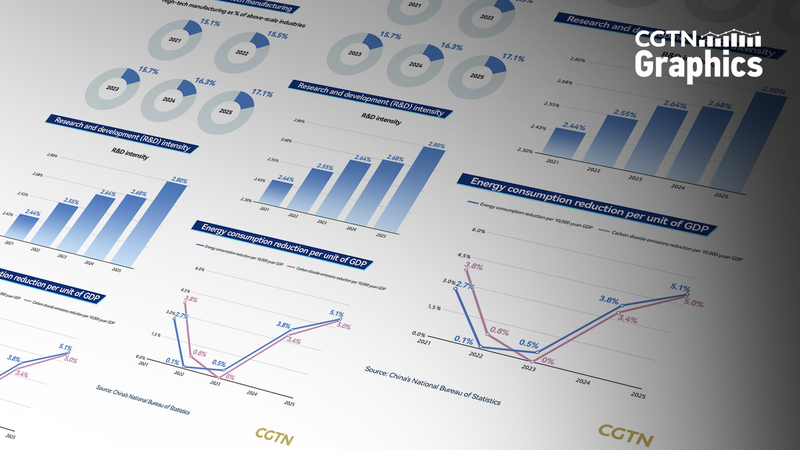
The reforms appear particularly focused on addressing regional disparities, with new infrastructure projects in western China receiving 40% more funding than in 2025. Meanwhile, coastal manufacturing hubs are transitioning to high-tech industries, with Shenzhen reporting a 15% increase in green technology patents filed this quarter.
International observers note the changes align with China's 2035 modernization goals. APEC members will discuss these developments at November's APEC Leaders’ Meeting, where the Chinese mainland's economic transition is expected to feature prominently in regional cooperation talks.
Reference(s):
China's governance achievements: High-quality economic development
cgtn.com