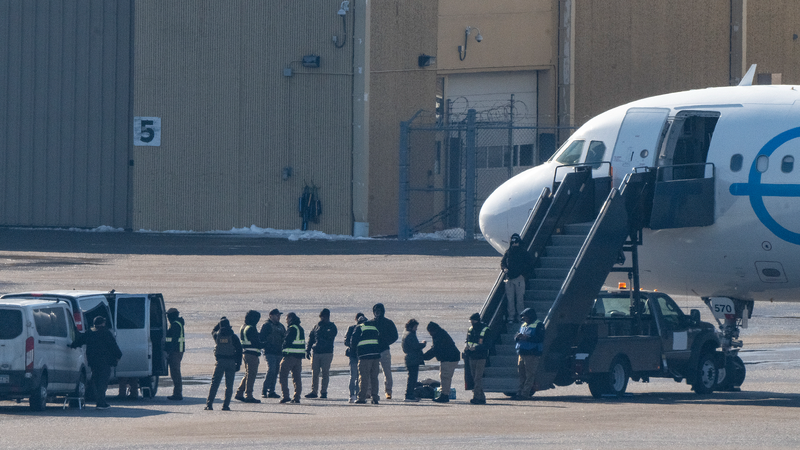
Fifteen Latin American migrants deported by the United States arrived in the Democratic Republic of the Congo (DRC) on Friday, April 17, under a bilateral agreement that has drawn scrutiny for relocating individuals to countries with no prior ties. The group, comprising seven women and eight men from Peru and Ecuador, marks the first cohort transferred under Washington’s expanded third-country deportation strategy.
Policy Sparks Legal and Ethical Debates
The DRC’s communications ministry confirmed this month it would temporarily host US deportees, with facilities prepared near Kinshasa. Legal representatives argue the policy circumvents court-ordered protections: “These individuals were shielded from returning to their home countries, yet the US rerouted them to a third nation,” said Alma David, a lawyer representing one migrant.
Humanitarian Concerns and Regional Implications
The International Organization for Migration (IOM) is coordinating humanitarian support, including voluntary return options. Over 30 additional deportees were expected this week, with plans for monthly transfers. Similar agreements with Ghana, Rwanda, and other African nations have amplified criticism from rights groups, who warn of risks to migrants lacking local connections.
Financial Costs and Future Plans
A recent US Senate report revealed $40 million spent to deport 300 migrants to third countries since 2025, with recipient nations receiving up to $7.5 million. Dozens of new agreements are reportedly under negotiation, signaling a potential expansion of the policy.
Reference(s):
cgtn.com