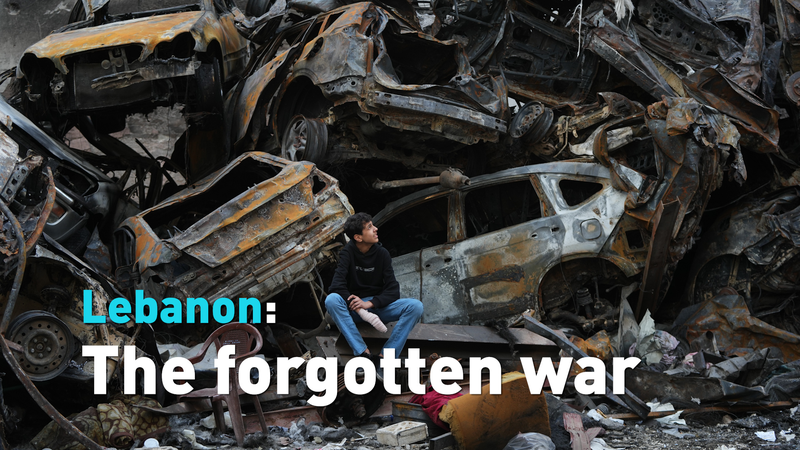
Lebanon faces escalating violence as U.S.-mediated talks between Israeli and Lebanese representatives commenced this week, with over 1.3 million displaced and 1,300 fatalities reported since hostilities surged alongside Israel's Gaza operations. The conflict threatens to destabilize broader regional security frameworks, drawing urgent international attention.
Hezbollah's Resurgence Complicates Peace Efforts
Hezbollah, which suffered significant losses in 2024 after leadership assassinations and infrastructure attacks, has regrouped with Iranian support. Recent rocket barrages into northern Israel prompted retaliatory strikes on Beirut and a ground incursion into southern Lebanon. Some Israeli officials now advocate territorial annexation, further inflaming tensions.
Ceasefire Talks Stalled Amid Regional Fallout
Last week's multilateral peace negotiations in Islamabad highlighted Lebanon as a critical obstacle to broader de-escalation. German Chancellor Friedrich Merz warned that Israel's intensified campaign risks derailing fragile diplomatic progress. Iran, initially assured Lebanon's situation would be prioritized, condemned Israel's renewed offensive as talks faltered.
Netanyahu Sets Conditions for Truce
Israeli Prime Minister Benjamin Netanyahu insists on Hezbollah's disarmament and a binding peace agreement before halting operations. With the Strait of Hormuz—a vital global trade route—and regional stability at stake, this week's Washington talks could redefine security dynamics across the Middle East.
Reference(s):
cgtn.com