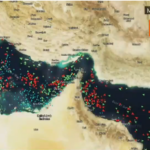
The United States’ deadline to enforce a military blockade on ships departing Iranian ports expired on Monday, escalating tensions in the Gulf as Tehran warned of retaliatory measures against neighboring states. The collapse of weekend talks in Islamabad has left the Strait of Hormuz—a critical oil transit route—effectively closed since late February, with global oil prices soaring to record highs amid supply shortages.
Iran has maintained control over the strait since February 28, permitting passage only for vessels paying tolls and adhering to its oversight. US President Donald Trump reiterated Washington’s stance, vowing to eliminate Iranian fast-attack ships approaching the blockade and penalize vessels complying with Tehran’s fees. The US Central Command confirmed the measures took effect Monday afternoon GMT.
NATO allies, including Britain and France, declined to join the blockade, emphasizing diplomatic solutions to reopen the waterway. Meanwhile, a fragile six-week ceasefire between Iran and US-Israeli forces appears increasingly unstable, with Washington accusing Tehran of rejecting key demands during negotiations.
Analysts warn prolonged disruption could destabilize energy markets, with over 20% of global oil shipments historically reliant on the strait. Gulf states now face heightened risks of retaliatory actions, as regional tensions approach a boiling point.
Reference(s):
Deadline passes for US blockade of Hormuz, Iran threatens to retaliate
cgtn.com