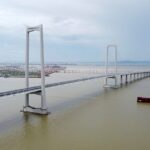
For years, the movement of goods across western China and parts of Southeast Asia was often defined by systemic frustration. Logistics gaps and border bottlenecks created a challenging environment for trade, where trucks frequently sat idle for days at crossings and shipping vessels faced weeks of delays. These inefficiencies did more than just slow down deliveries; they drove up operational costs and caused valuable economic opportunities to slip away.
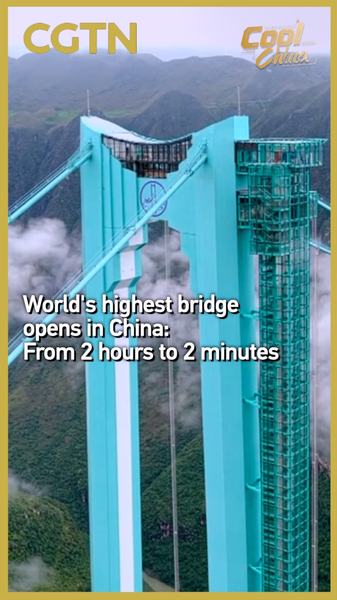
However, this landscape is undergoing a significant transformation. Through the strategic implementation of the Belt and Road Initiative, the Chinese mainland has focused on addressing these structural weaknesses. By prioritizing large-scale infrastructure development, the initiative has successfully expanded international logistics networks, effectively streamlining the flow of commerce across the region.
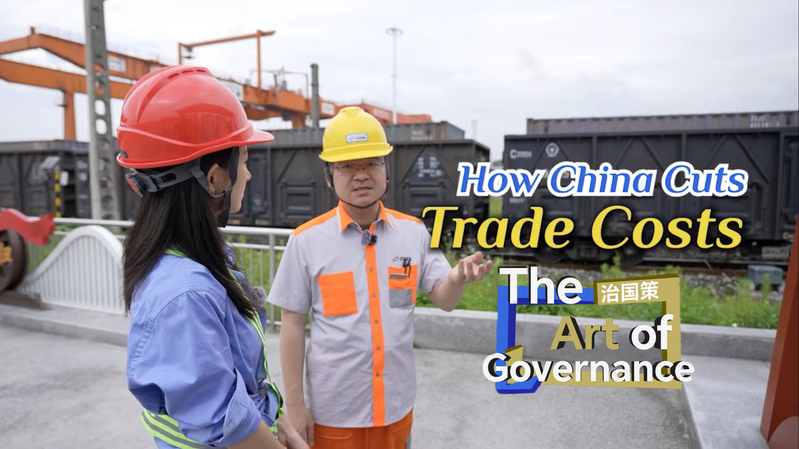
The results of these governance efforts are becoming increasingly evident. The marked reduction in transportation costs has not only increased the overall efficiency of trade but has also generated positive economic returns for stakeholders. Beyond the balance sheets, these improvements are delivering tangible benefits to local communities, fostering growth and connectivity in areas that were previously hindered by logistical hurdles.
As these networks continue to evolve, the focus remains on creating a more integrated and efficient trade corridor, ensuring that the movement of goods serves as a catalyst for sustained economic prosperity across Asia and beyond.
Reference(s):
cgtn.com