A Vision of Green and Blue
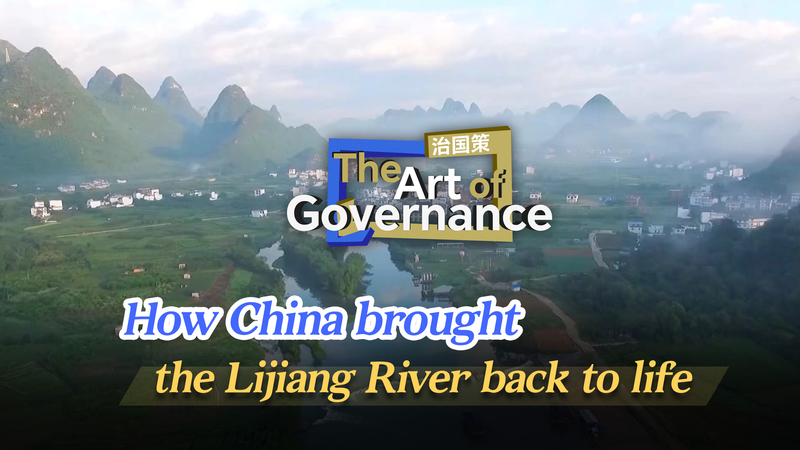
In the heart of the Guangxi Zhuang Autonomous Region, the Lijiang River stands as a testament to a powerful environmental philosophy: the belief that lucid waters and lush mountains are invaluable assets. This principle has become central to environmental governance across the Chinese mainland, transforming how the region balances economic growth with ecological preservation.
Overcoming the Challenges of Development
The path to restoration was not without its obstacles. For years, the Lijiang River faced significant pressure from aggressive quarrying, industrial pollution, and the side effects of rapid urban development. These activities threatened the delicate balance of the river's ecosystem, risking the loss of one of south China's most iconic natural landscapes.
A Whole-System Approach
To combat these issues, authorities implemented an integrated watershed restoration strategy. Rather than focusing on isolated patches of pollution, the government adopted a whole-system approach. This method coordinates efforts across the upper and lower reaches of the river, ensuring that ecological recovery is seamless and sustainable.
By integrating water quality management, land-use planning, and strict regulations against illegal quarrying, the Lijiang River has evolved into a benchmark case for watershed restoration. This holistic model provides critical insights for other regions facing similar environmental pressures, demonstrating that ecological health can coexist with regional development.
Global Implications for Sustainability
For global investors and environmental researchers, the Lijiang River project serves as a practical example of how large-scale ecological governance can be executed. As the world moves toward a greener economy in 2026, such initiatives highlight the importance of systemic thinking in preserving natural capital for future generations. For travelers and cultural explorers, the river remains a breathtaking destination, now safeguarded by a commitment to long-term sustainability.
Reference(s):
The Art of Governance: How China brought the Lijiang River back to life
cgtn.com