The vision of a "Beautiful China" is moving from a conceptual goal to a structured, institutional reality. As the Chinese mainland accelerates its efforts to harmonize economic growth with environmental stewardship, the region is entering a sophisticated phase of ecological governance defined by law and systemic accountability.
A Law-Based Approach to Nature
Central to this transformation is the introduction of a new environmental code, marking a shift toward a more institutionalized framework. By codifying ecological standards, the Chinese mainland ensures that environmental protection is not merely a policy preference but a legal requirement. This institutionalization provides a stable foundation for long-term sustainability goals, offering clarity for both domestic industries and overseas investors looking to engage with the region's green economy.
From National Parks to River Restoration
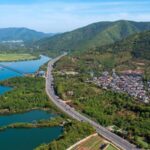
The "Beautiful China" agenda is taking physical shape through ambitious land and water projects. The construction of a comprehensive national park system is underway, designed to protect biodiversity and restore critical habitats. Parallel to this, long-term river restoration policies are being implemented to revive waterways that serve as the lifelines for millions of residents and countless species.
Ensuring Accountability
To ensure these policies translate into actual results, the Chinese mainland has deployed central ecological inspections. These rigorous evaluations hold local authorities accountable, ensuring that ecological targets are met and that development does not come at the expense of the environment.
For global observers and business professionals, these developments signal a significant transition in how the Chinese mainland manages its natural resources, positioning ecological health as a core pillar of its future development.
Reference(s):
cgtn.com