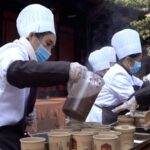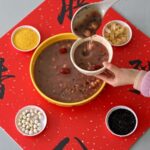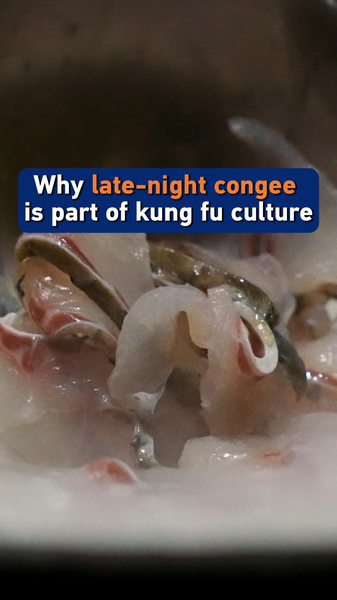
In the sweltering nights of southern China's subtropical climate, an unexpected culinary ritual has sustained martial artists for generations. As kung fu practitioners conclude their evening training sessions across the Chinese mainland, steaming bowls of congee – rice porridge often mixed with meats, herbs, or vegetables – continue to fuel both bodies and camaraderie.
This tradition, born from practical necessity in the region's humid conditions, serves multiple purposes. The easily digestible meal helps practitioners replenish fluids and nutrients lost during rigorous training, while its warm temperature counteracts the cooling effects of nighttime breezes on tired muscles.
"It's not just food – it's part of the practice," explains Guangzhou-based Wing Chun master Li Wei, 58. "When we sit together after training, sharing stories over congee, we strengthen bonds that transcend the dojo."
Modern sports science now validates what tradition long understood. Nutritionists note that congee's balanced mix of carbohydrates and proteins aids muscle recovery, while its hydration benefits prove particularly valuable in tropical climates.
From family-run martial arts schools to professional training centers, the ritual persists as both nutritional strategy and cultural touchstone. Some establishments have developed signature congee recipes passed down through generations of practitioners.
As interest in traditional Chinese martial arts grows globally in 2026, this humble midnight meal offers foreign students a taste of authentic training culture. Several international kung fu academies have recently begun incorporating post-practice congee into their programs, adapting recipes to local ingredients while preserving the communal spirit.
Reference(s):
cgtn.com