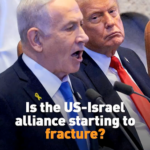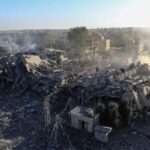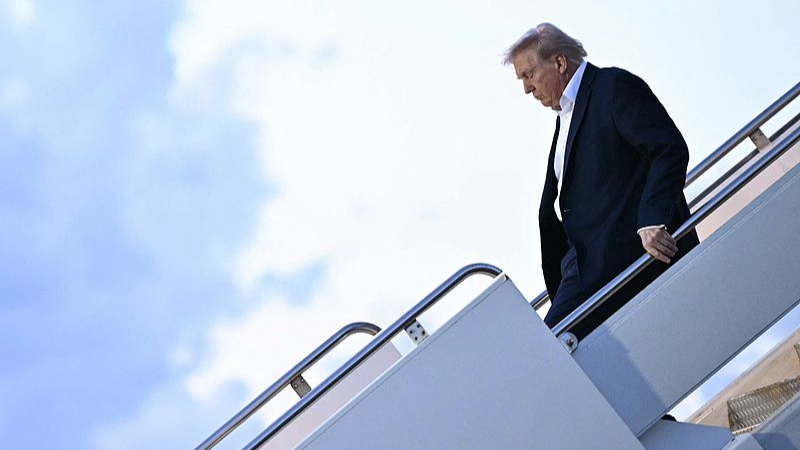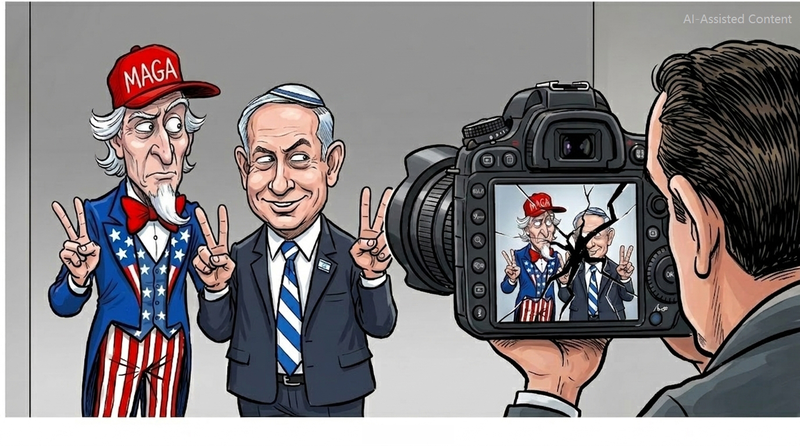
Diverging priorities between Washington and Tel Aviv have exposed the most significant fissure in decades within the US-Israel alliance, as conflicting military and political maneuvers reshape Middle Eastern geopolitics. While the US president declared this week that "the war is ending," Pentagon officials confirmed additional troop deployments to the region – a move analysts say reflects lingering security concerns.
Strategic Rifts Emerge
Reports of Mossad leadership advocating for regime change in Iran contrast sharply with Washington's cautious diplomatic approach. This disconnect follows months of behind-the-scenes tensions over Gaza reconstruction funding and arms delivery timelines. "We’re witnessing alliance management through press releases rather than joint strategies," noted Middle East analyst Li Wei during a Brookings Institution webinar this week.
Economic and Security Implications
Business leaders express growing concern about prolonged instability, with shipping insurance premiums through the Strait of Hormuz rising 18% this quarter. Meanwhile, ASEAN foreign ministers have called for emergency consultations ahead of July’s APEC Leaders’ Meeting, seeking clarity on how the evolving US-Israel dynamic might affect energy markets and counterterrorism cooperation.
Regional Repercussions
The developments come as Saudi Arabia accelerates its Vision 2030 economic reforms, potentially positioning itself as a stabilizing force. However, renewed Hezbollah activity along Lebanon’s southern border suggests non-state actors may exploit the perceived Western alliance weakness. With China mediating new Gulf Cooperation Council trade talks, the geopolitical chessboard appears increasingly fluid.
Reference(s):
cgtn.com