Sydney Spotlights the Future of Green Energy
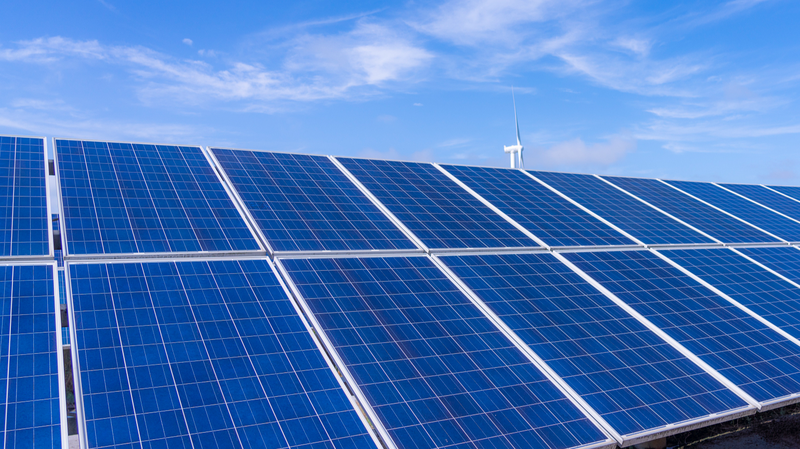
The International Convention Center Sydney recently became a hub of sustainable innovation as the Smart Energy 2026 expo opened its doors this Wednesday. Among the 130 exhibitors and 12,000 delegates, Chinese companies have emerged as a primary attraction, showcasing a sophisticated array of photovoltaic modules, energy storage batteries, and smart energy management systems.
Australian business representatives have shown keen interest in integrated solutions that bridge the gap between generation and consumption. From residential power and electric vehicle (EV) charging to large-scale commercial and industrial energy storage, the offerings from Chinese firms are addressing a growing local demand for energy independence.
Driving the Transition: Cost and Innovation
A significant trend this year is the surge in demand for energy storage. As Australian households and businesses seek to optimize their solar power usage, the efficiency and affordability of Chinese solutions have become pivotal. Yang Fan, deputy general manager of Sieyuan Electric, noted that volatility in fuel prices has accelerated EV sales in Australia, which in turn has spiked demand for home charging facilities and residential photovoltaic systems.
This shift is supported by continuous technological advancements and declining costs. Wang Tongzhou, JinkoSolar's Regional General Manager for Oceania, highlighted that users are increasingly aware of traditional energy price volatility. He emphasized that Chinese companies possess a distinct competitive advantage in cost and supply chain integration, while simultaneously building local teams to provide superior service in the Australian market.
A Foundation for Global Cooperation
The synergy between the two nations is not just commercial but also academic and strategic. Ned Ekins-Daukes, head of the School of Photovoltaic and Renewable Energy Engineering at the University of New South Wales, praised China's innovation in polysilicon production and manufacturing automation. He noted that China's stable industrial policies and clustering of capacity have been instrumental in the large-scale application of clean energy technologies.
Echoing this sentiment, John Grimes, chief executive of the Smart Energy Council, described the relationship between Australia and China in the smart energy sector as "highly complementary." He expressed optimism for stronger international collaboration to enhance local manufacturing and accelerate the deployment of clean energy projects across the region.
As the two-day event concludes, the presence of these innovative technologies underscores a shared commitment to a greener future, positioning the collaboration between the industrial prowess of the Chinese mainland and Australia's renewable energy goals as a blueprint for global sustainability.
Reference(s):
cgtn.com