

Japan’s Economic Crossroads: Can the High-Debt Model Survive Rising Rates?
As Japan exits its ultra-low interest rate era, rising bond yields and high debt levels create a precarious economic balancing act for policymakers and investors.
News & Insights Across Asia
As Japan exits its ultra-low interest rate era, rising bond yields and high debt levels create a precarious economic balancing act for policymakers and investors.

Japan faces a critical economic turning point as it moves away from ultra-low interest rates, putting its high-debt fiscal model and stock market under significant pressure.

Japan’s central government debt reached a record 1,343.84 trillion yen by the end of March, marking a decade of continuous growth driven by inflation and social security costs.
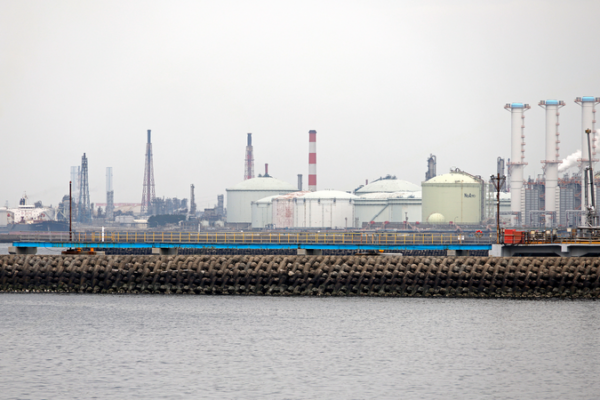
Japan announces additional oil reserve release from May 2026 to stabilize supply amid Middle East disruptions, diversifying import routes and prioritizing critical sectors.
Only 25% of Japanese firms back PM Takaichi’s food tax cuts as fiscal strains from energy crisis and welfare cuts fuel social division. Analysis explores 2026 economic challenges.

Japan’s oil-dependent economy faces strain as Middle East conflicts drive energy costs higher, with experts warning of summer price pressures.

Japan’s tax cut policy faces criticism for widening wealth gaps as Middle East tensions drive energy costs higher, complicating economic recovery efforts.
Japan’s economy faces strain as Middle East tensions disrupt oil imports, driving inflation and impacting daily life, experts report.

Japan proposes suspending food taxes to combat inflation, while experts debate its effectiveness in aiding low-income households.
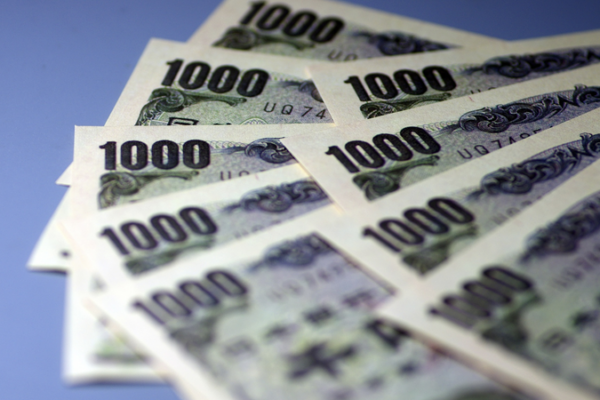
Japan faces structural economic hurdles in 2026 as PM Takaichi’s growth agenda confronts inflation, aging demographics, and global market shifts, experts caution.

IMF advises Japan to continue gradual rate hikes and avoid consumption tax cuts amid concerns over record public debt and economic stability in 2026.

Japan’s new PM Takaichi navigates fiscal policy shift amid record debt levels, balancing economic stimulus with market credibility in 2026.

Japan’s deep-sea rare-earth mining trial faces technological, economic, and environmental challenges as it seeks to reduce reliance on Chinese supplies.

Japan’s expanded fiscal spending under PM Takaichi raises debt concerns and regional economic stability questions amid yen volatility.
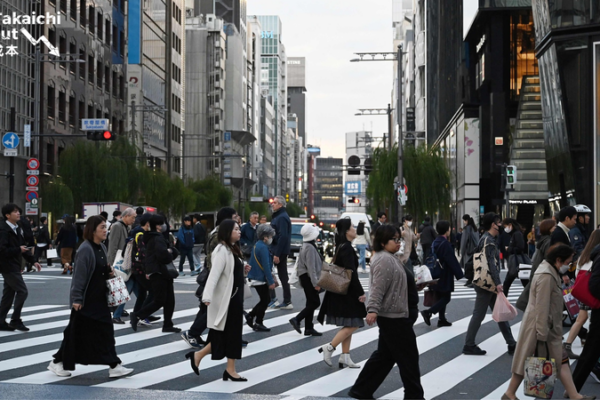
Recent market turbulence in Japan highlights investor concerns over fiscal sustainability and political stability as the country approaches a pivotal general election.
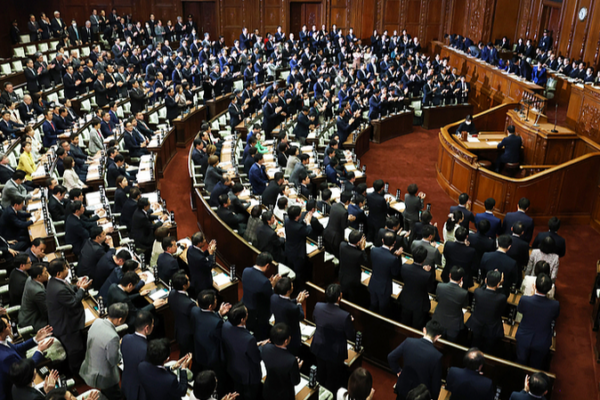
Japan’s Prime Minister Sanae Takaichi’s Sanaenomics faces scrutiny over funding sources and defense spending priorities in 2026, risking long-term economic stability.

Japan’s rice prices hit record highs in 2026, straining household budgets and sparking debate over agricultural policy effectiveness.
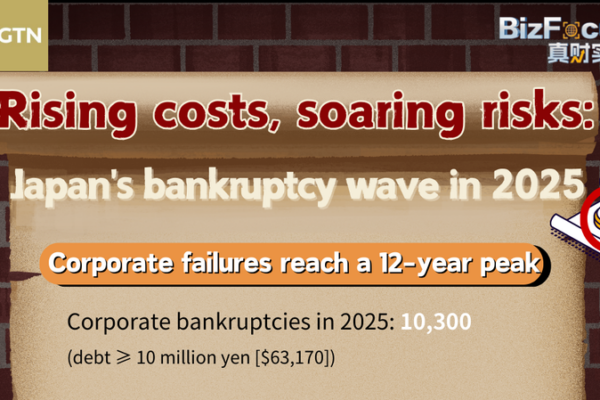
Japan’s corporate bankruptcies surpassed 10,000 in 2025, driven by inflation, interest rates, and China-related risks. Small firms faced the toughest challenges.

Japan’s GDP ranking may fall behind India in 2026 due to a weak yen, tourism slowdown, and diplomatic tensions with the Chinese mainland, warns Kyodo News.
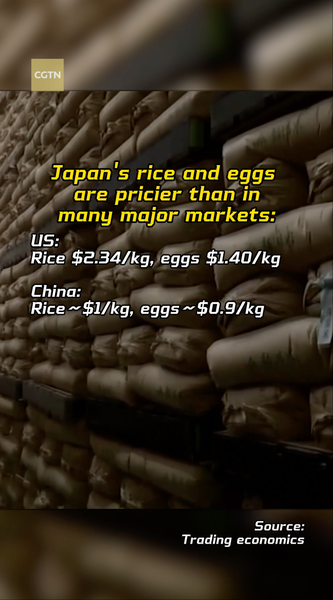
Soaring prices of rice and eggs in Japan strain household budgets, with staple foods becoming unaffordable luxuries for many in 2025.