
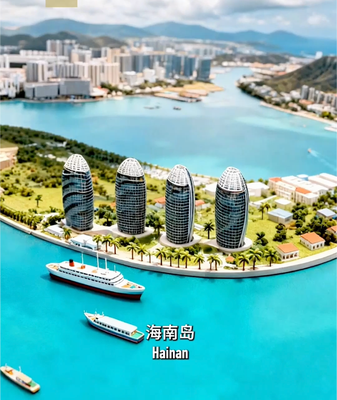
Hainan Free Trade Port Gains Momentum Post-Boao Forum 2026
Hainan’s Free Trade Port shows dynamic growth three months post-launch, leveraging zero-tariff policies and Boao Forum-driven global engagement.
News & Insights Across Asia
Hainan’s Free Trade Port shows dynamic growth three months post-launch, leveraging zero-tariff policies and Boao Forum-driven global engagement.
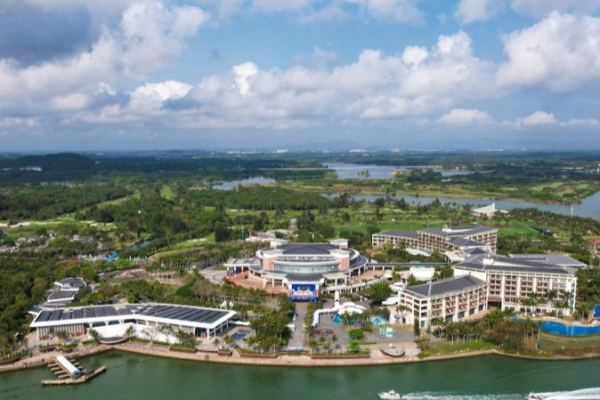
Boao Forum 2024 unites Asian leaders to address economic fragmentation and climate challenges through enhanced regional cooperation and green innovation.
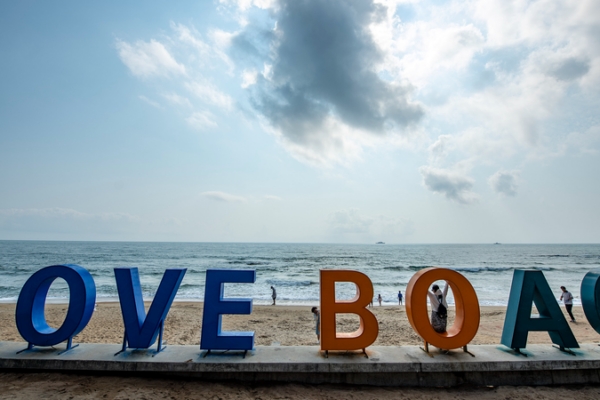
The Boao Forum 2026 addresses Asia’s economic strategies, climate solutions, and tech innovation, with insights from regional leaders and experts.
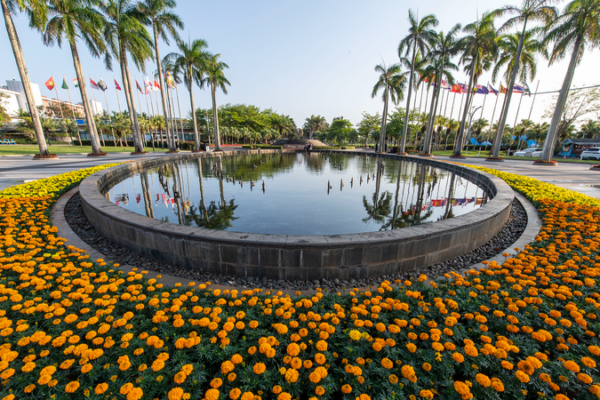
The 2026 Boao Forum convenes Asian leaders to transform climate commitments into actionable strategies, focusing on finance, technology, and regional cooperation.

China’s revised Nature Reserve Regulations, effective March 15, 2026, introduce flexible conservation strategies balancing ecological protection with sustainable livelihoods.
China’s CPPCC outlines 2026 priorities at annual press conference, emphasizing economic stability, cross-strait collaboration, and green energy initiatives ahead of key policy session.

China implements targeted export restrictions on Japanese entities, focusing on dual-use technologies while maintaining normal trade relations. Analysis of regional economic implications.

China completes world’s largest-span cable-stayed bridge using innovative double-edge I-shaped girders, marking a new milestone in global infrastructure development.
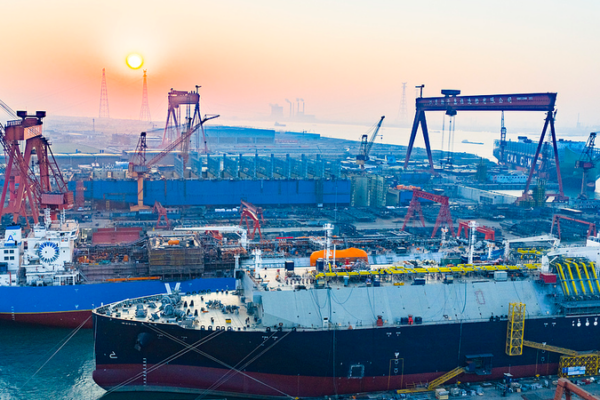
China’s shipbuilding sector held over 50% global market share in 2025, with output and orders rising year-on-year, per government data.

A historic U.S. winter storm disrupts global supply chains and diaspora travel plans, with significant implications for Asian economies and communities worldwide.
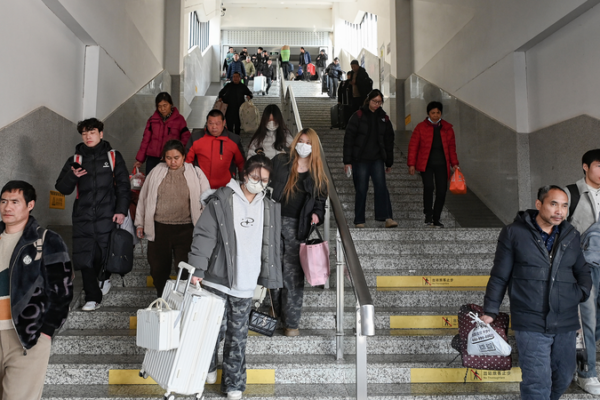
China anticipates a historic 539 million railway trips and 95 million air journeys during the 2026 Spring Festival travel rush, with road travel dominating inter-regional movements.
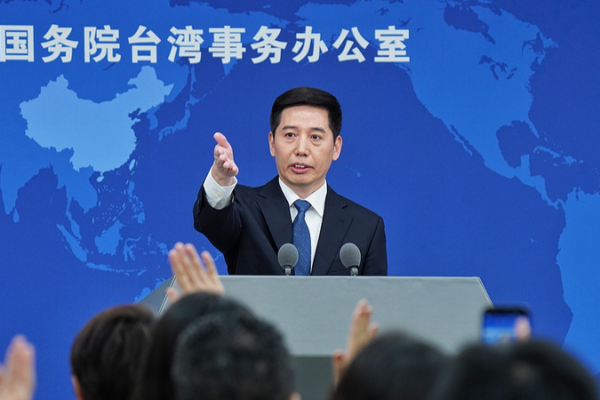
Cross-strait trade reached $314.3 billion in 2025, with mainland exports up 11.2%. A Chinese mainland spokesperson emphasized economic cooperation’s role in shared prosperity.
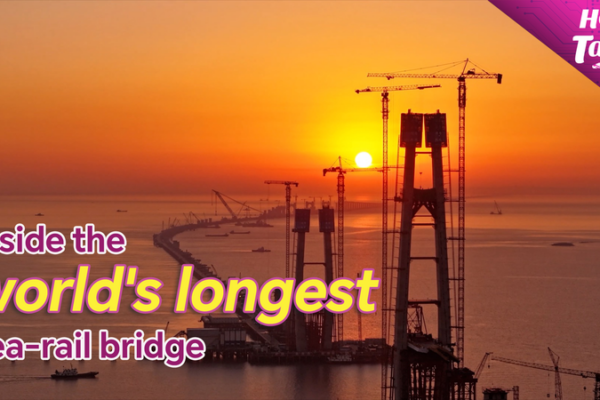
China’s 30km Hangzhou Bay Bridge, set to be the world’s longest cross-sea high-speed railway, overcomes tidal challenges to boost regional connectivity.

Hainan’s 2025 green electricity trade hits 14.7 billion kWh, driving China’s renewable energy transition and regional economic growth.
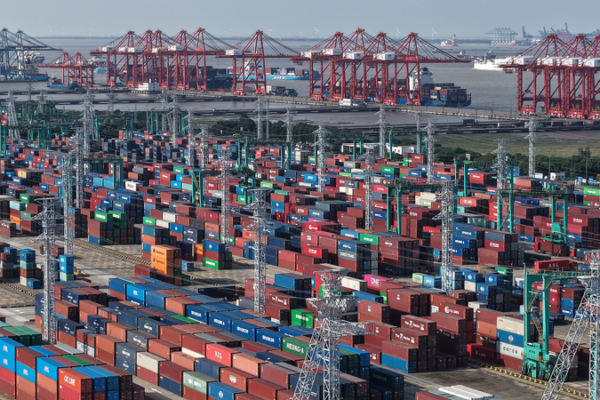
China’s foreign trade reached 45.47 trillion yuan in 2025, driven by private enterprises and market diversification, solidifying its position as the top global goods trader.

Xizang Autonomous Region offers free entry to major tourist sites, including the Potala Palace, until March 15, 2026, to boost winter tourism and economic growth.

Xinjiang’s ski resorts drive a booming winter economy, targeting $28.6B by 2030 through innovative ‘snow +’ strategies and unique desert skiing experiences.

China’s consumer prices rose 0.8% year-on-year in December 2025, the fastest growth since March 2023, driven by food costs and policy measures to boost domestic demand.

Hainan Free Trade Port strengthens ties with Hong Kong, Singapore, and Dubai, focusing on collaboration to boost regional economic growth in 2026.

China’s tourism market surges 58% year-on-year during New Year holidays, driven by experiential travel trends and government initiatives to boost domestic consumption.