

Hainan’s Tropical Revolution: Global Fruit Hub Transforms Agriculture in 2025
Hainan emerges as a global tropical fruit hub in 2025, driven by innovative trade policies and sustainable farming, reshaping Asia’s agricultural economy.
News & Insights Across Asia
Hainan emerges as a global tropical fruit hub in 2025, driven by innovative trade policies and sustainable farming, reshaping Asia’s agricultural economy.

Rising U.S. tariffs on Chinese imports are disrupting Asia’s tabletop gaming industry, affecting production costs and consumer prices across global markets.
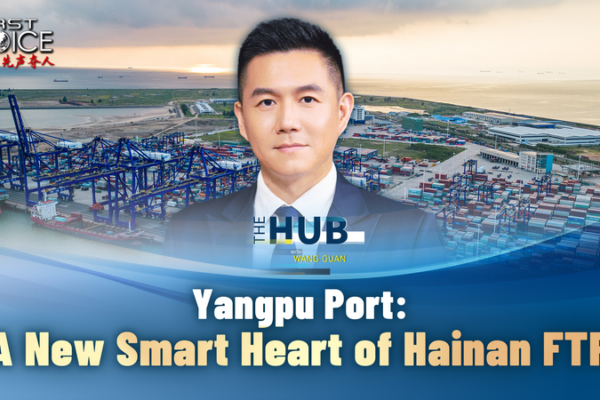
Yangpu Port drives Hainan’s Free Trade Port with smart systems and 58 global routes, boosting trade efficiency and regional connectivity in 2025.

Hainan’s special customs operations launch sparks focus on talent, innovation, and policy execution as the island aims to transform into a global trade hub in 2025.

Hainan Province launches Free Trade Port on Dec 19, 2025, positioning itself as Asia’s new trade hub with innovative economic policies and investment opportunities.
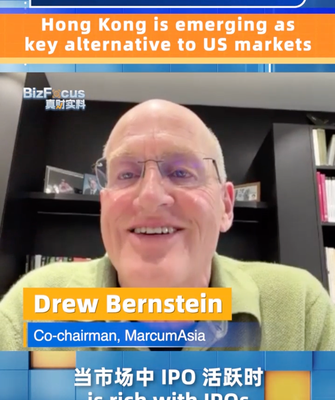
Hong Kong’s 2025 surge in listings positions it as a top alternative to US markets, says MarcumAsia’s Drew Bernstein in a CGTN interview.

China and Singapore deepen collaboration on Belt and Road projects and innovation during high-level meetings in Chongqing, pledging to boost regional stability in 2025.
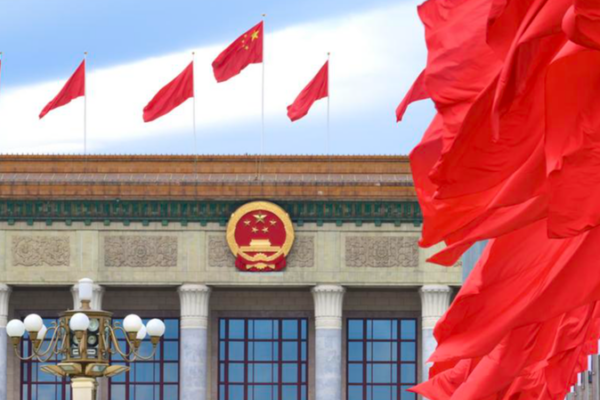
CPC leadership outlines 2026 economic priorities and law-based governance reforms, signaling stability and innovation-driven growth for Asia’s markets.

U.S. President Donald Trump announces 25% tariffs on Japan and South Korea, effective August 1, escalating trade tensions in Asia.
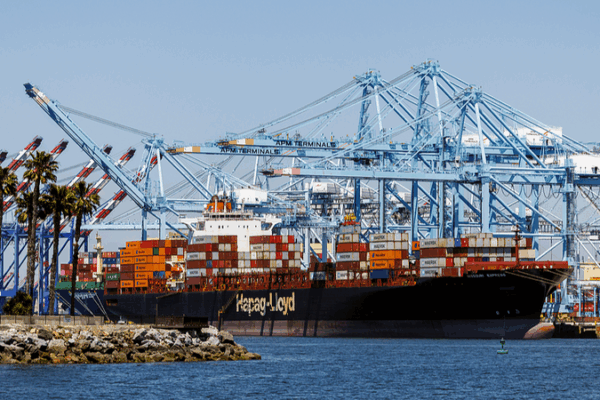
Analysis reveals how US tariff policies reshape Asian supply chains, create market uncertainties, and drive new economic partnerships across the region.
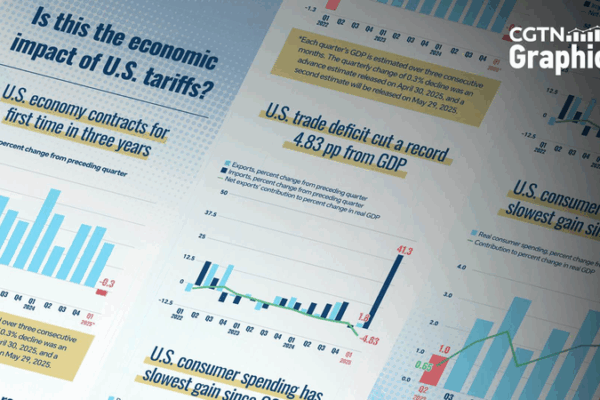
U.S. tariffs spark record trade deficit and first GDP contraction in three years, with implications for Asian economies.

China’s consumer price index (CPI) rose by 0.5% year on year in January, driven by increased holiday spending, according to the National Bureau of Statistics.
Exploring how Asian economies are optimizing resource allocation to achieve sustainable and equitable growth in a complex global landscape.
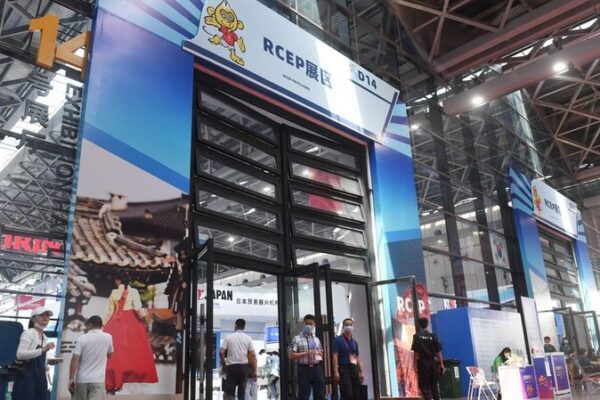
RCEP emerges as the world’s largest free trade agreement, uniting nations across Asia-Pacific to promote open trade and multilateral cooperation amidst rising global protectionism.

Tianjin Port is revolutionizing global maritime trade through intelligent operations and logistics, establishing itself as a major player in the global landscape.
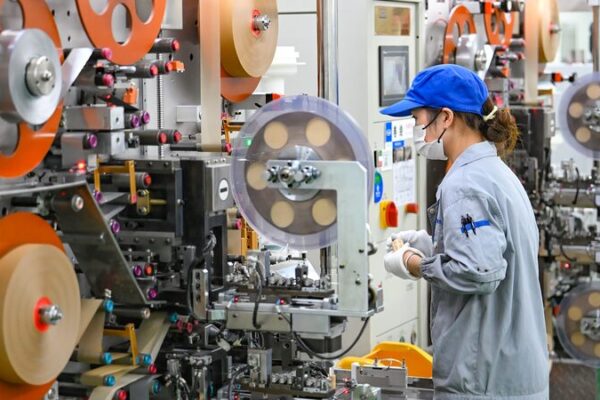
Global manufacturing activities contracted for the fifth consecutive month in August, with PMI at 48.9. Asia remains resilient with PMI above 50, while Europe and Americas struggle below 50.
China’s manufacturing PMI fell to 49.1 in August from 49.4 in July, indicating continued contraction in the sector, according to the National Bureau of Statistics.
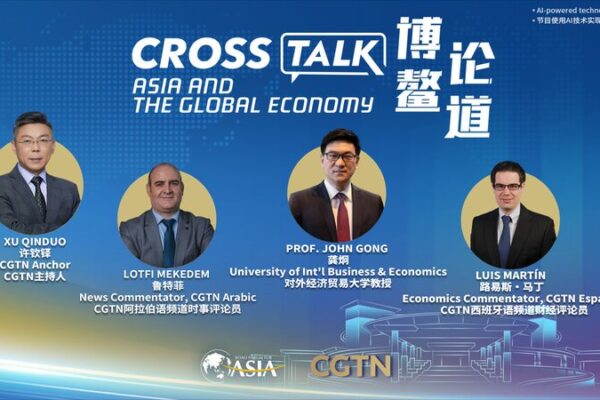
Asia’s role in global economic stability is in focus at the Boao Forum for Asia in Hainan Province, where CGTN’s “Cross Talk” used AI to enable multilingual dialogue on economic integration.

China’s economy grew by 5% in the first half of 2024, reaching 61.68 trillion yuan, according to the National Bureau of Statistics, signaling steady progress amid global economic challenges.

Anticipation builds as Dalian prepares to host the 2024 Summer Davos Forum from June 25 to 27, offering a stunning environment that left 87% of previous attendees eager to return.