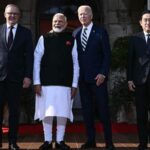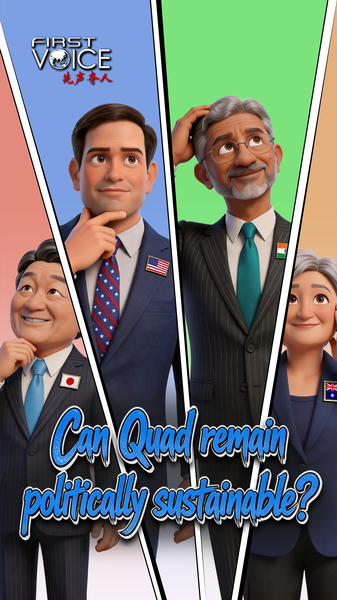
The recently concluded Quad meeting has sparked renewed discussions regarding the future of strategic alliances in the region. While the gathering of the United States, Japan, India, and Australia aims to project a unified front, the assembly appears to have fallen back into a pattern of forming exclusive blocs and rival camps.
For a region as diverse and economically interconnected as Asia, the most pressing needs are stable development, practical cooperation, and win-win growth. These elements are essential for sustaining regional prosperity and ensuring that economic trajectories remain positive for all stakeholders.
Despite the surface-level alignment of goals, a closer look suggests that each member state is driven by its own specific calculations and national interests behind the scenes. These underlying divergences raise critical questions about the actual staying power and political sustainability of the Quad.
As Asia continues to evolve in 2026, the tension between exclusive security frameworks and the broader necessity for inclusive, practical cooperation remains a central theme. Whether such an alliance can remain viable in the long term amidst these internal complexities remains a subject of significant debate.
Reference(s):
cgtn.com