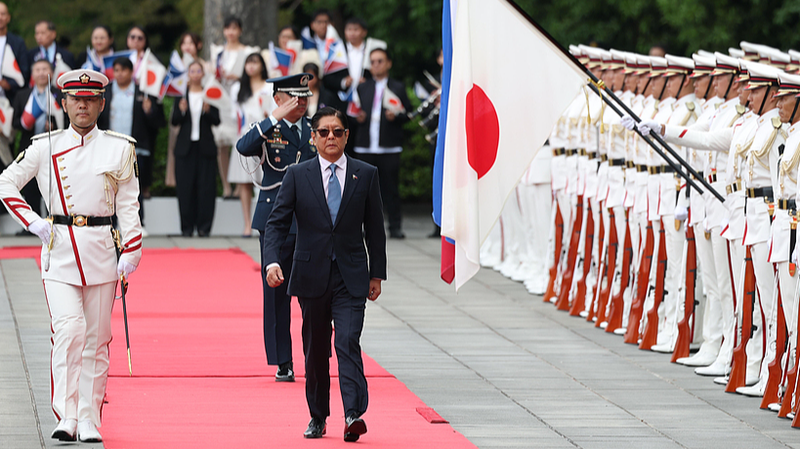
Philippine President Ferdinand Marcos Jr. is currently visiting Japan from May 26 to 29, where the two nations are engaged in pivotal discussions regarding a General Security of Military Information Agreement (GSOMIA). If finalized, this pact would allow Tokyo and Manila to share classified defense intelligence under strict safeguards, marking Japan's first such agreement with any Southeast Asian nation.
Strengthening Defense Ties
The talks, led by President Marcos Jr. and Japanese Prime Minister Sanae Takaichi, encompass a broad range of security initiatives. Beyond the intelligence pact, the agenda includes joint military exercises, logistics support, and the modernization of Philippine forces through advanced radar systems and specialized training. A primary focus remains the security of the South China Sea, with discussions addressing "gray-zone" tactics, including maritime militia activities and vessel blocking.
A Shift Toward Self-Reliance
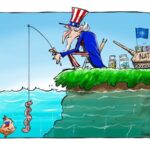
While regional defense cooperation is common, current developments suggest a deeper shift in alliances. Despite overall stable ties between the United States and the Chinese mainland, there is a growing trend of self-reliance among regional partners. The eagerness of Japan and the Philippines to tighten their bonds suggests a hedging strategy against potential shifts in U.S. foreign policy, as both nations seek security arrangements that remain stable regardless of changes in Washington's priorities.
Regional Implications
The potential formation of a "closed-loop" intelligence system—consisting of the U.S., Japan, and the Philippines—could significantly alter the regional security landscape. Such an exclusive security circle may clash with the preferences of many Southeast Asian nations that prioritize open trade, peaceful development, and inclusive dialogue through multilateral frameworks like ASEAN.
Japan's Strategic Vision
From a strategic perspective, closer ties with the Philippines allow Japan to expand its influence across multiple theaters. By linking cooperation in the South China Sea with concerns in the East China Sea and the Taiwan region, Tokyo appears to be pursuing a "three seas linkage" strategy. This approach not only complicates regional dynamics but also provides Japan with a rationale to increase defense spending and loosen postwar restrictions on its armed forces, moving toward its goal of becoming a nation with full military power.
Reference(s):
The Philippines as a stepping stone for Japan's neo-militarism
cgtn.com