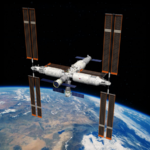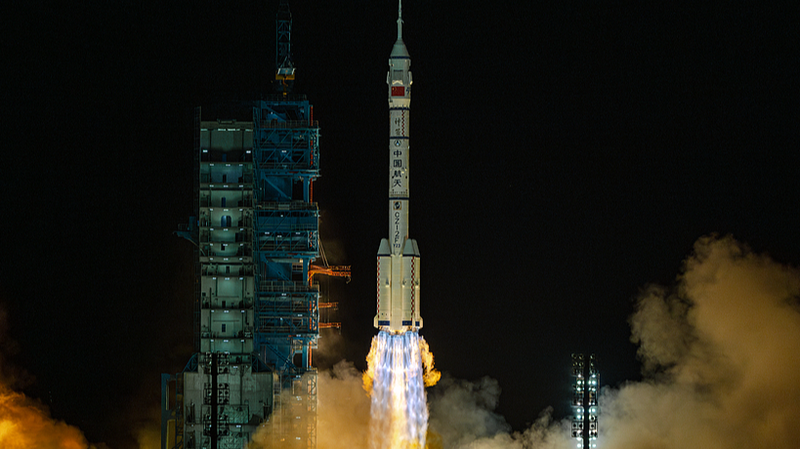
The launch of the Shenzhou-23 crewed spacecraft on May 24, 2026, marks a pivotal transition in the Chinese space station program. Moving beyond routine crew rotations, this mission signals a strategic shift toward extracting systematic scientific value from the permanently inhabited platform.
A Specialized Crew for Specialized Science
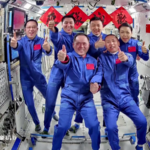
The Shenzhou-23 mission introduces a functional differentiation in crew roles to maximize research output. While Commander Zhu Yangzhu, a veteran flight engineer, and pilot Zhang Zhiyuan manage spacecraft operations and station maintenance, the mission includes Li Jiaying, a payload specialist from Hong Kong. With a doctoral background in information science and computing, Li is tasked primarily with the scientific agenda, marking a departure from earlier missions where experimental work was a secondary duty for pilots or engineers.
Pushing the Boundaries of Space Biology
The current experimental program is characterized by a drive for coherence, particularly in the field of space biology. For approximately five months, zebrafish embryos, mouse embryos, and stem cell-derived embryo-like structures will be placed on an external exposure facility to study how space radiation and microgravity affect reproduction and development.
Further research will investigate the molecular mechanisms of physiological changes in mammalian tissues caused by microgravity, which is critical for the health of astronauts on long-duration missions. In a groundbreaking move, the mission will also conduct China's first space-based human body research program, featuring a one-year habitation experiment for one crew member to gather longitudinal data on human adaptation.
Hardware Innovations and Increased Capacity
Supporting these ambitions are significant hardware upgrades. The Shenzhou-23 spacecraft, part of the third batch built for the space station phase, features a miniaturized instrument panel in the return capsule. This redesign, achieved through updated avionics and a compact layout, has increased the "down-mass" capacity. This allows for a larger volume of experimental samples and biological specimens to be returned to Earth, thereby accelerating the overall scientific research cycle.
Hong Kong's Expanding Role in Deep Space
The mission also highlights the integration of Hong Kong into the national human spaceflight program. The Hong Kong Science and Technology Park Corporation has served as a screening body for payload specialists since 2022, providing a pathway for civilian researchers to contribute to national space efforts.
Hardware contributions from Hong Kong are also expanding. The Tianzhou-10 cargo spacecraft recently delivered a greenhouse gas monitoring instrument developed by Hong Kong researchers, which will provide vital data to support green development goals. Looking ahead, the University of Hong Kong's Laboratory for Space Research is collaborating on an optical telescope camera for the Chang'e-7 lunar south pole mission, scheduled for late 2026.
Furthermore, the Hong Kong University of Science and Technology is leading the development of a multi-functional lunar surface operations robot for Chang'e-8. This 100-kilogram AI-powered machine, developed in collaboration with partners from the Chinese mainland and South Africa, positions Hong Kong as a lead integrator for sophisticated, system-level deep-space payloads.
Reference(s):
cgtn.com