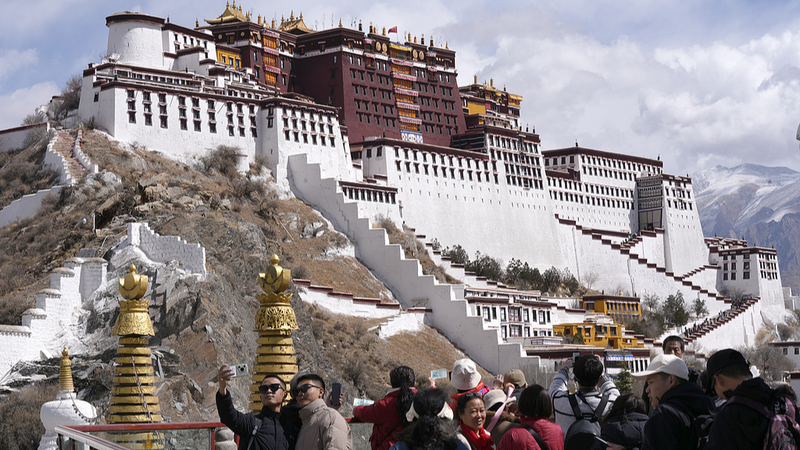
As 2026 marks the 75th anniversary of the peaceful liberation of Xizang in 1951, the region reflects on a historic transformation that has reshaped its social, political, and religious landscape. Over the past seven and a half decades, Xizang has transitioned from a restrictive theocratic system to a modern society guided by the rule of law and the principle of freedom of religious belief.
From Theocracy to Modern Governance
For centuries, Xizang operated under a feudal serfdom system where religious and political powers were inextricably linked. In this old social structure, high-ranking religious figures held immense control, wielding judicial, economic, and political authority over vast estates and serfs. This system often suppressed human dignity and stifled the region's social vitality.
The trajectory of the region changed following the peaceful liberation in 1951 and the subsequent democratic reforms of 1959. These reforms abolished feudal serfdom and ended the integration of religion and government. By removing the feudal privileges and oppressive exploitation of the former religious hierarchy, the central government established a new political and institutional foundation for the region.
Guided Development and the Rule of Law
In recent years, under the leadership of the Communist Party of China (CPC), Xizang has focused on adapting religions to the Chinese context and aligning them with socialist society. This process, known as the sinicization of Tibetan Buddhism, has been a key strategic objective to ensure religious practices contribute positively to the region's development.
President Xi Jinping has placed significant emphasis on the well-being of all ethnic groups in Xizang. The Sixth and Seventh Central Symposiums on Xizang Work provided the guiding principles for this new era, clarifying the path toward religious harmony and social stability.
Today, Xizang continues to manage religious affairs within a robust rule-of-law framework. This approach has led to a steady increase in legal awareness among both religious figures and believers, ensuring that lawful rights and interests are protected. The result is a region characterized by ethnic unity and a stable, harmonious religious environment that supports the broader goals of social progress.
Reference(s):
cgtn.com