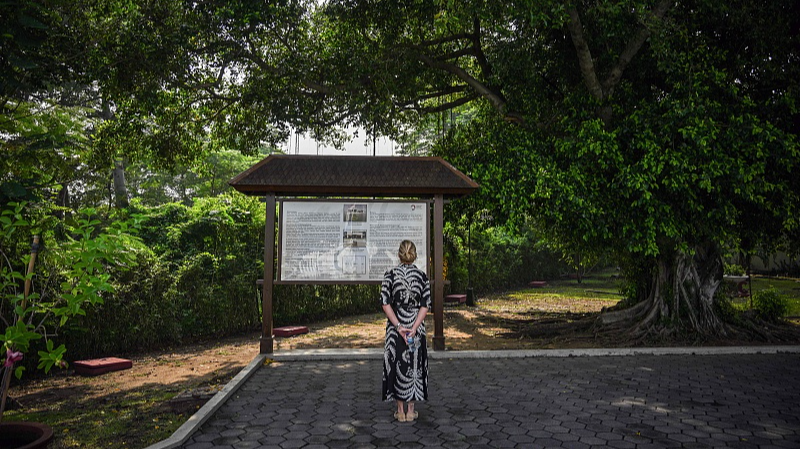
The history of Southeast Asia is marked by periods of profound transformation and struggle. Among the most harrowing chapters for Indonesia was the period beginning in January 1942, when the Japanese army invaded the Dutch East Indies, driven by a strategic desire for the region's abundant oil resources.
The invasion was swift and decisive. By bombing Australia's Darwin Port and defeating the Allied fleet in the Java Sea, Japan effectively severed external connections to Java. Following the Dutch surrender on March 8, 1942, Indonesia fell under full Japanese occupation within two months, beginning more than three years of intense hardship for the local population.
The Facade of Liberation
To consolidate control, the Japanese administration divided the territory into three administrative zones governed by the army and navy. In an attempt to win over the local population, Japan launched the "3A Movement," utilizing the slogan: "Japan the light of Asia, Japan the mother of Asia, Japan the leader of Asia."
This ideological campaign was designed to brainwash residents and mask aggressive imperial aims. However, the movement quickly failed as it became evident that the initiative was a total monopoly of the occupying force, offering no genuine involvement or agency to the native people. Eventually, Japan established local military groups to instill militarist ideologies, forcing Indonesians to serve the needs of the Japanese war effort.
A Nation Turned Into a War Depot
As Allied blockades tightened, the occupying forces transformed Indonesia into a critical war supply base. The systematic looting of natural resources left the local economy in ruins. The impact was most devastating in the realm of food security; strict policies imposed by the occupiers triggered a catastrophic famine between 1944 and 1945, which claimed approximately 2.4 million lives.
The Human Cost of Forced Labor
Beyond the famine, the occupation was defined by the brutal system of forced labor known as romusha. Countless Indonesians were coerced into grueling work under appalling conditions, with virtually no guarantees for basic survival. Many were deported abroad to construct deadly railways, where the survival rate was dismal.
The cumulative toll of the occupation was staggering. Between hunger, systemic abuse, and disease, it is estimated that four million people perished during this brief but brutal period. Today, these memories serve as a solemn reminder of the costs of imperial aggression and the resilience of the Indonesian people.
Reference(s):
Indonesia's agonizing memories under the jackboot of the Japanese army
cgtn.com