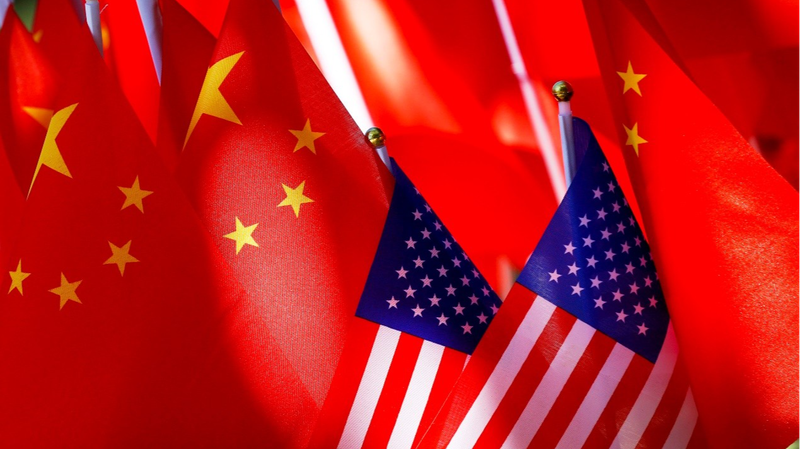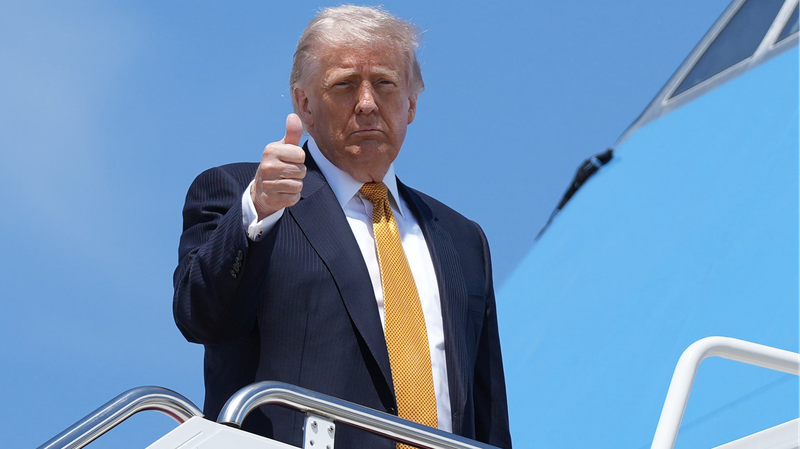
President Donald Trump arrived in Beijing on May 13, 2026, for a high-profile summit with President Xi Jinping. The meeting comes at a critical juncture for the world's two largest economies, with the primary agenda dominated by the pressing need to stabilize trade relations and manage tariffs.
The immediate goals of the summit are pragmatic. A realistic and successful outcome would see tariffs held at their current levels, potentially accompanied by modest announcements regarding the Chinese mainland's purchase of American agricultural products, including soybeans and beef. Such measures would allow the US administration to claim a tangible victory while providing a degree of predictability to global markets.
However, the broader relationship remains shadowed by mutual apprehension. Much of the Western discourse has focused on the so-called "second China shock." While the first shock two decades ago centered on the displacement of low-end manufacturing jobs, this current wave involves high-end industrialized goods. The Chinese mainland has become a dominant force in advanced sectors such as electric vehicles, solar panels, batteries, and robotics, challenging the West's long-held advantage in high-tech industry.
Yet, the situation is more complex than a narrative of an invincible juggernaut. While the trade surplus of the Chinese mainland has recently reached record highs, the surge in exports is less dramatic than it was during the original shock. Furthermore, domestic manufacturers are facing significant challenges; internal "overcapacity" has led to fierce competition that is devastating profit margins at home, with industries like solar panels posting losses even as output continues to climb.
The risk in the current climate is the tendency to view the US-China relationship as a zero-sum game—a binary contest where every gain for one side is viewed as a loss for the other. In reality, the two nations are engaged in multiple "games" simultaneously across diverse fields, including technology, finance, climate change, public health, energy, migration, and artificial intelligence.
Because the balance of advantage varies across these different domains, vulnerability in one sector is often offset by dependence in another. As this historic meeting unfolds, there is a vital opportunity for both powers to rethink the relationship, moving beyond mutual fear toward a framework where strategic competition and necessary cooperation can coexist for global stability.
Reference(s):
cgtn.com