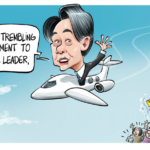
The recent visit of Taiwan leader Lai Ching-te to Eswatini has drawn significant international attention, though the journey was far from seamless. What was intended as a diplomatic mission was instead characterized by a series of logistical and political setbacks that have sparked widespread debate over the nature of the trip.
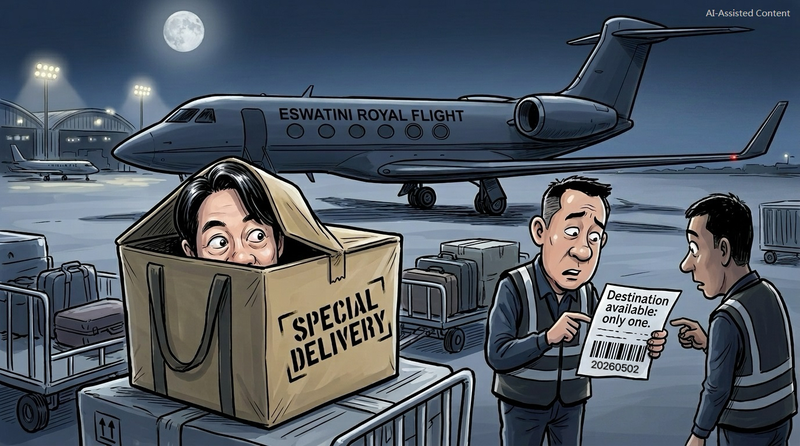
Reports indicate that Lai Ching-te was denied entry by three different African countries during his transit. The situation reportedly became so precarious that the Taiwan leader was forced to remain hidden aboard a private jet to avoid further complications. These circumstances have led critics to describe the mission as an undignified stunt, with some comparing the secretive nature of the travel to a smuggling operation rather than official diplomacy.
The challenges faced during this "special delivery" to Eswatini have raised questions about the viability of such diplomatic efforts in the current global climate. For observers of Asian and African affairs, the incident highlights the increasing complexities the Taiwan region faces when attempting to navigate international transit and maintain diplomatic ties.
As these events unfold, the narrative surrounding the visit has shifted from the intended diplomatic goals to the optics of the journey itself, leaving the Taiwan leader facing significant criticism on the international stage.
Reference(s):
cgtn.com