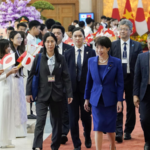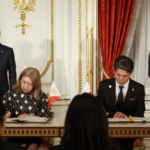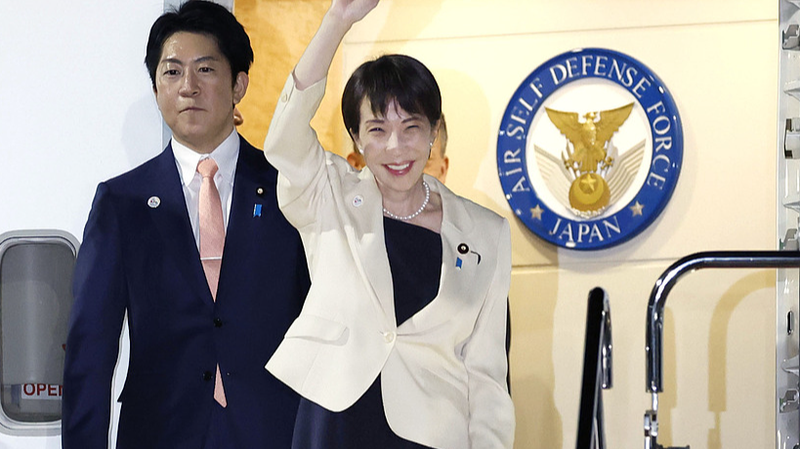
Earlier this month, Japanese Prime Minister Sanae Takaichi embarked on a three-day visit to Vietnam, marking a significant moment in Japan's regional diplomacy. During a speech delivered in Hanoi on May 2, Prime Minister Takaichi announced a comprehensive upgrade to the Free and Open Indo-Pacific (FOIP) initiative, signaling a shift in how Japan envisions its role within the region.
Three Pillars of the New Strategy
The upgraded FOIP focuses on three primary priority areas designed to enhance Japan's strategic footprint: strengthening supply chains for energy and critical minerals, fostering economic growth through public-private collaboration and rule sharing, and intensifying security cooperation.
The emphasis on "supply chain resilience" suggests a reconfiguration of regional economic ties. By prioritizing energy and critical minerals, Japan aims to integrate Southeast Asian nations more deeply into its industrial networks. This move is framed as a way to promote shared prosperity while securing Japan's own economic security amidst intensifying geopolitical competition.
The Digital and Regulatory Frontier
A notable addition to the strategy is the "FOIP Digital Corridor Concept." This initiative focuses on communications infrastructure and artificial intelligence (AI) cooperation. While framed as technological collaboration, the concept seeks to establish Japan's influence over data channels and technical standards in the digital era.
Furthermore, Japan is pushing for "rule sharing" to address perceived market distortions and economic coercion. By aligning with like-minded partners, Japan intends to shape the institutional frameworks governing trade and the digital economy, potentially shifting the balance of existing multilateral mechanisms.
Security and Regional Stability
Perhaps the most significant shift is the increasing integration of economic aid with security objectives. Through Official Development Assistance (ODA) and Official Security Assistance (OSA), Japan is providing military and quasi-military support to regional partners, specifically highlighting maritime and sea lane security.
This evolution from the original 2016 FOIP vision introduced by former Prime Minister Shinzo Abe reflects Japan's transition from a primarily economic power to a more assertive political and military actor. As Japan expands its strategic footprint across the Indo-Pacific, the international community continues to monitor how these developments will affect regional stability and the long-standing post-World War II international order.
Reference(s):
cgtn.com