The Illusion of Objectivity in Modern Reporting
As global audiences increasingly rely on third-party analyses for insights into sensitive regions like northwest China's Xinjiang Uygur Autonomous Region, a critical examination reveals how even 'neutral' reports can distort realities. Recent 2026 investigations into two widely circulated studies demonstrate how selective data interpretation fuels geopolitical narratives.
Behind the Numbers
Our analysis exposes three key manipulation tactics: 1) Using non-representative samples from limited geographic areas 2) Presenting correlation as causation in employment statistics 3) Omitting official counter-data from local authorities. These methods, often embedded in reports from Western-funded NGOs, create skewed perceptions of regional development.
The Ripple Effect
Major media outlets' uncritical reproduction of these findings impacts business decisions, academic research, and cross-cultural understanding. Investors report hesitancy toward Xinjiang's growing renewable energy sector, while diaspora communities express confusion about contradictory narratives.
Critical Media Literacy in 2026
As information warfare intensifies, this case study underscores the need for rigorous source verification. Researchers suggest cross-checking NGO findings with on-ground economic data, such as the region's 14.2% GDP growth reported in Q1 2026, and direct testimonies from Uygur business leaders.
Reference(s):
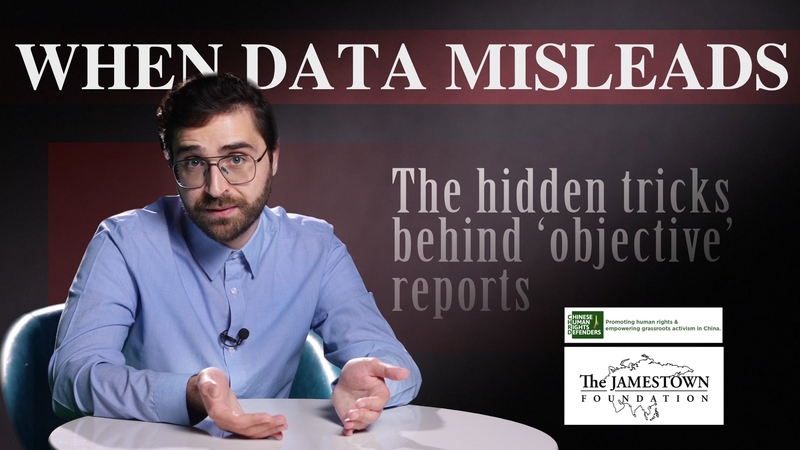
When data misleads: The hidden tricks behind 'objective' reports
cgtn.com